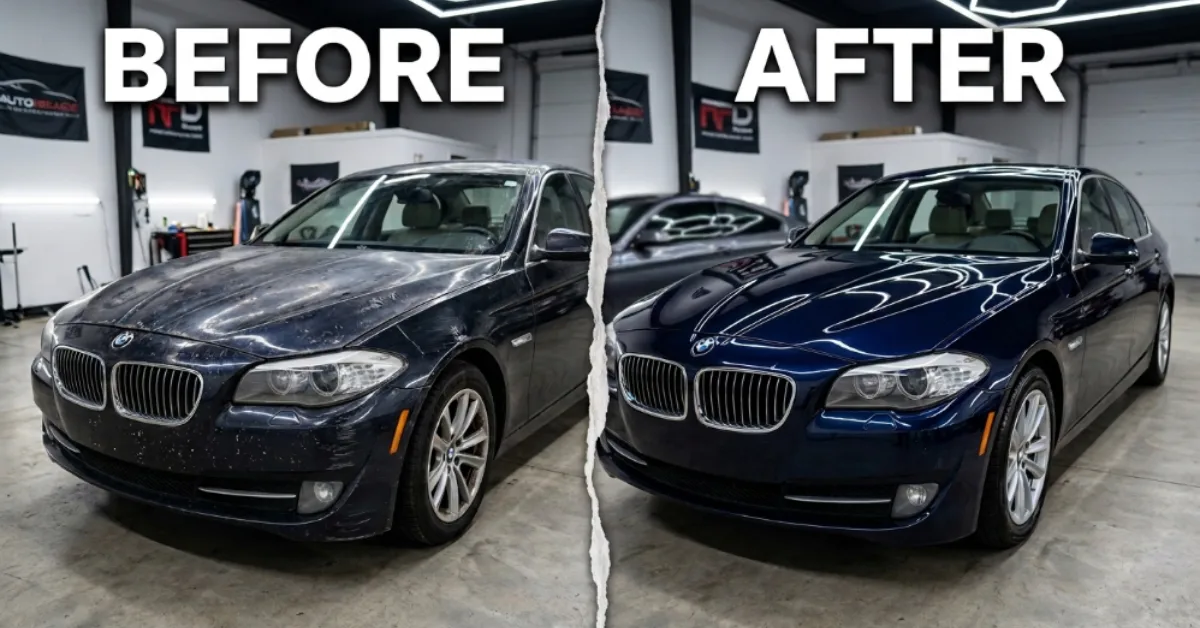
Paint damage is one of the biggest concerns for car owners. Small scratches, swirl marks, road debris, and harsh weather can slowly reduce the appearance of a vehicle. This is why many drivers look for advanced protection solutions that keep their cars looking new for longer.
Self-healing PPF is a modern paint protection technology designed to protect a vehicle’s surface while repairing minor scratches on its own. The paint protection film contains special elastomeric polymers that react to heat and return to their original shape. As a result, light scratches and swirl marks can disappear without manual polishing, helping the paint maintain a smooth and glossy finish.
What Is Self-Healing PPF?
Self-healing PPF, or paint protection film, is a transparent urethane-based layer applied over a vehicle’s painted surfaces. It acts as a barrier between the paint and external elements such as stone chips, road debris, bird droppings, UV rays, and minor scratches. Unlike traditional protective coatings, this advanced film has a special top layer that can repair light surface damage automatically.
The technology was developed to improve the lifespan of automotive paint and reduce the need for frequent paint correction. Many premium vehicles now use this protection because it helps preserve the factory finish for years.
How Does Self-Healing Technology Work?
- Surface Scratch Occurs: A light scratch or swirl mark appears on the top layer of the paint protection film during washing, drying, or regular vehicle use.
- Polymer Structure Reacts: The elastomeric polymers inside the film temporarily shift from their original position when the surface experiences minor physical damage.
- Heat Activates the Film: Heat from sunlight, warm water, or a heat gun activates the self-healing layer and starts the recovery process within the film.
- Molecules Realign: The flexible molecular structure gradually returns to its original arrangement, helping the damaged area regain its smooth appearance.
- Scratch Becomes Less Visible: As the polymers settle back into place, the surface scratch fades and eventually becomes difficult or impossible to see.
- Paint Remains Protected: Since the damage affects only the film’s outer layer, the vehicle’s original paint stays protected and undamaged underneath.
What Triggers the Healing Process?
Heat is the main factor that activates the healing ability of the film. In many cases, natural sunlight provides enough warmth to remove light scratches over time. This makes the technology especially useful in regions with warm climates where vehicles receive regular sun exposure.
Warm water can also speed up the process. Some vehicle owners pour warm water over affected areas to help surface marks disappear faster. Professional detailers may use controlled heat tools when needed, but excessive heat should always be avoided to protect the film.
What Types of Scratches Can It Repair?
The healing feature is designed for light surface scratches and swirl marks. These imperfections often occur during washing, drying, or everyday use. Because they only affect the top layer of the film, they can usually disappear after heat exposure.
However, deeper scratches that cut through the entire film cannot heal themselves. If the protective layer is heavily damaged, replacement of the affected section may be necessary. Understanding this limitation helps set realistic expectations about the film’s capabilities.
Common Surface Marks That Can Heal
- Light wash-induced scratches
- Fine swirl marks
- Minor scuffs from daily use
- Small marks caused by soft materials
- Surface abrasions that do not penetrate the film
What Materials Are Used in Self-Healing Films?
Most high-quality protective films are manufactured from thermoplastic polyurethane, commonly known as TPU. This material offers flexibility, durability, and impact resistance. TPU is widely used because it can absorb minor impacts while maintaining a clear appearance.
The film typically consists of multiple layers. These include an adhesive layer, a polyurethane body layer, and a specialized top coat. Each layer serves a different purpose, working together to provide protection, clarity, and self-repairing performance.
Benefits of Using Self-Healing Paint Protection Film
One of the biggest advantages of this technology is its ability to maintain a vehicle’s appearance with minimal effort. Drivers do not need to constantly polish away minor scratches because the film can handle many of them automatically.
The protective layer also acts as a shield against environmental damage. This helps preserve the paint’s condition, which may support higher resale value. Since the film is transparent, it protects the vehicle without changing its original color or design.
Key Benefits
- Reduces visible swirl marks
- Protects against stone chips
- Helps block UV damage
- Maintains paint gloss
- Lowers paint correction costs
- Supports long-term vehicle value
How Long Does Self-Healing PPF Last?
The lifespan of protective film depends on product quality, installation standards, climate conditions, and maintenance habits. Premium films can often last between five and ten years when properly cared for. Some manufacturers even offer warranties that reflect the expected durability of their products.
Regular washing and proper maintenance can help maximize the film’s lifespan. Avoiding harsh chemicals and abrasive cleaning methods also contributes to long-term performance. A professionally installed film generally lasts longer than one installed incorrectly.
Does Sunlight Damage the Film Over Time?
Modern films are designed with UV-resistant properties to handle long-term exposure to sunlight. The protective layer helps reduce oxidation and fading of the paint beneath it. This makes the technology particularly useful in areas with strong sunlight and high temperatures.
Although UV protection is built into most premium products, lower-quality films may yellow or lose clarity over time. Choosing a reputable product and professional installation helps ensure better long-term results and visual appearance.
Self-Healing PPF vs Ceramic Coating
Many car owners compare paint protection film and ceramic coating because both help protect vehicle surfaces. However, they serve different purposes. Paint protection film provides physical protection against impacts and scratches, while ceramic coating mainly enhances gloss and adds chemical resistance.
A ceramic coating cannot absorb stone chips or repair scratches the way a protective film can. On the other hand, a ceramic coating may make washing easier because of its hydrophobic properties. Many vehicle owners combine both solutions to achieve maximum protection and appearance benefits.
Main Differences
Feature | Paint Protection Film | Ceramic Coating |
Scratch Protection | High | Low |
Stone Chip Protection | High | Very Low |
Self-Healing Ability | Yes | No |
Gloss Enhancement | Moderate | High |
Physical Barrier | Yes | No |
Where Is the Film Usually Installed?
The film can be installed on nearly any painted exterior surface. Some owners choose full-body coverage for complete protection, while others focus on high-impact areas. The front section of a vehicle usually receives the most road debris and therefore benefits greatly from protection.
Common installation locations include the hood, front bumper, fenders, side mirrors, doors, and rocker panels. These areas are more likely to experience scratches, chips, and environmental damage during daily driving.
How Should You Maintain Protected Surfaces?
Maintenance is relatively simple. Regular washing removes dirt and contaminants that can affect appearance over time. Hand washing is generally preferred because it reduces the chance of creating unnecessary surface marks.
Avoid using aggressive chemicals or rough cleaning tools. Soft microfiber towels and pH-neutral shampoos are usually recommended. Proper maintenance helps keep the protective layer clear, smooth, and effective throughout its lifespan.
Maintenance Tips
- Wash the vehicle regularly
- Use microfiber drying towels
- Avoid abrasive brushes
- Remove contaminants quickly
- Follow manufacturer care guidelines
- Schedule periodic inspections
Common Misconceptions About Self-Healing Films
Some people believe the film can repair every type of damage. In reality, the technology only works on light surface imperfections. Deep cuts and severe impacts may still require repair or replacement.
Another misconception is that the film is visible after installation. High-quality products are designed to remain nearly invisible when installed correctly. Many people cannot tell a vehicle has protection unless they look very closely.
Is Self-Healing PPF Worth the Investment?
For drivers who want to preserve their vehicle’s paint, the technology offers significant value. The film helps reduce damage from daily driving while maintaining a cleaner and newer appearance. Over time, this can lower paint correction expenses and help maintain the vehicle’s condition.
The initial cost may seem high compared to traditional protection methods, but many owners find the long-term benefits worthwhile. Protection from scratches, road debris, and environmental contaminants can save money and effort in the future.
Conclusion
Keeping a vehicle’s paint in excellent condition can be difficult because of everyday exposure to scratches, road debris, and harsh weather. Self-healing PPF provides an advanced solution by creating a durable protective layer that can repair minor surface marks when exposed to heat. Its combination of impact resistance, UV protection, and scratch recovery makes it one of the most effective paint preservation options available today.
With proper installation and maintenance, this technology can help maintain a vehicle’s appearance for many years. Whether you drive a luxury car, sports car, SUV, or family vehicle, paint protection film offers long-term protection and peace of mind.
Get Professional Paint Protection Film Services
Looking to protect your car’s paint from scratches, stone chips, and daily wear? 800Sayara offers professional paint protection film services using high-quality materials and expert installation techniques. Contact 800Sayara today to keep your vehicle looking newer, cleaner, and better protected for years to come.