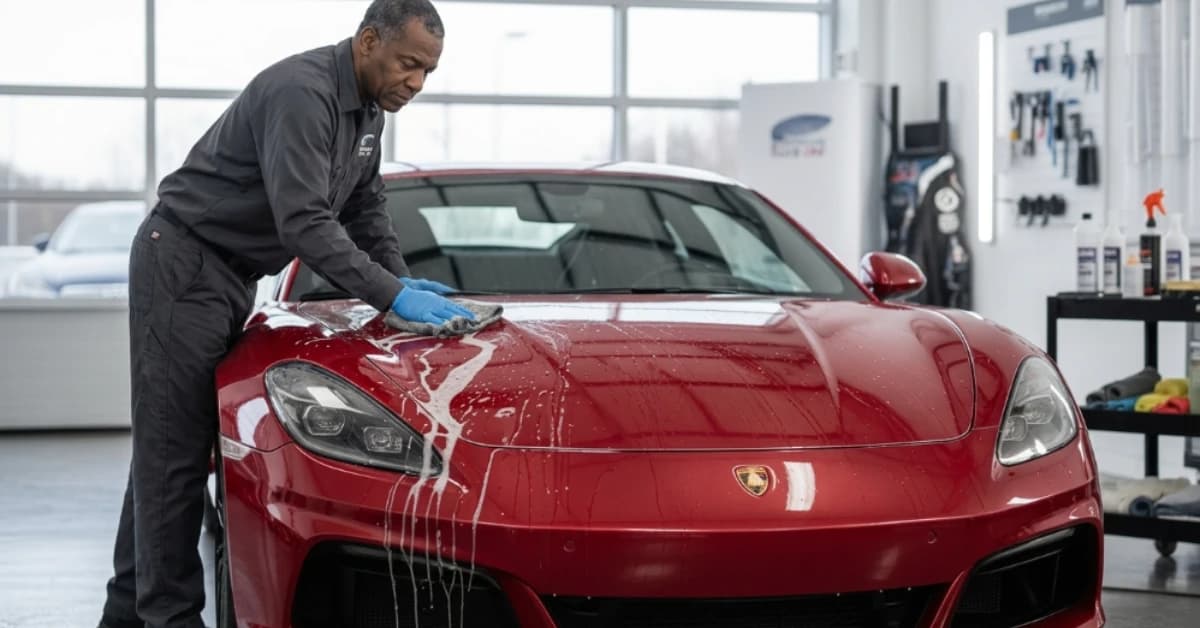
Paint Protection Film (PPF) gives your vehicle an extra layer of protection against stone chips, scratches, road debris, and UV rays. After installation, many car owners ask the same question: Can you wash a car after PPF installation?
The short answer is yes, but not immediately. You should wait until the adhesive has fully cured before washing your vehicle. Washing too soon or using the wrong methods can affect how well the film bonds to the paint.
Most professional installers recommend waiting at least 7 days before the first wash, although the exact curing time depends on the weather, humidity, and the type of film used.
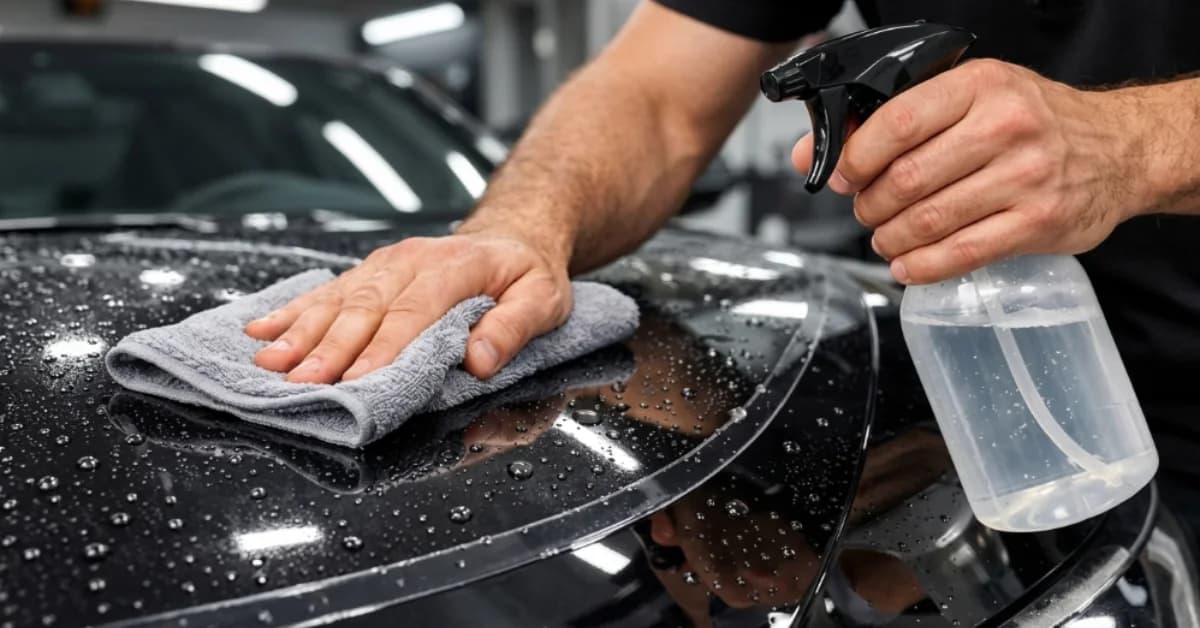
During this period, avoid pressure washing, automatic brush car washes, and harsh cleaning products. Once the film has cured, wash the vehicle gently with pH-neutral shampoo, clean microfiber towels, and plenty of water.
Following the correct washing routine helps protect the film and keeps your vehicle looking its best for years.
Why You Should Wait Before Washing Your Car
Paint Protection Film is attached with a strong adhesive that requires time to bond to the vehicle's painted surface fully. Although the film feels secure immediately after installation, the adhesive continues curing over several days.
Washing the car too early may allow water to reach the edges before they are fully sealed. This can increase the chance of lifting or reduce proper adhesion. Giving the film enough curing time helps ensure maximum durability, a smooth finish, and long-lasting protection.
How Long Should You Wait Before the First Wash?
The recommended waiting period depends on several factors, including temperature, humidity, and the film manufacturer's guidelines. In most situations, waiting 7 days provides enough time for proper curing.
Cooler temperatures or higher humidity may require a slightly longer waiting period because the adhesive cures more slowly. Your installer may also recommend a different timeline based on the specific film used. Always follow their advice to achieve the best long-term results.
Recommended Waiting Time According to Weather
Weather Condition | Recommended Waiting Period |
Warm and dry weather | Around 7 days |
Cool or humid weather | 7 to 10 days |
Heavy rain after installation | Follow your installer's advice |
Premium film with manufacturer instructions | Follow the recommended curing period |
What Happens If You Wash Too Soon?
Washing your vehicle before the adhesive has cured can create avoidable problems. While the film is designed to bond securely, early washing may interfere with that process.
Even gentle washing can place unnecessary stress on the edges during the curing stage. Waiting a few extra days is much easier than dealing with repairs or reinstallation later.
Possible Problems
- Edges may begin to lift before the adhesive fully bonds.
- Water may enter around unfinished edges.
- Soap residue can collect under loose corners.
- The adhesive may take longer to cure properly.
- The overall finish may not look as smooth as intended.
What to Do During the Curing Period
Although you should avoid washing your vehicle, there are still ways to keep it protected during the first week. Good habits during the curing stage help the film settle properly and reduce unnecessary stress on the adhesive. Being patient during these few days makes a big difference in the long-term performance of the film.
Best Practices
- Park in a Covered or Shaded Area: Keep your vehicle indoors or in the shade whenever possible to protect the film from excessive heat, dust, and environmental contaminants during curing.
- Avoid Touching the Film: Do not rub, press, or touch the film unnecessarily because the adhesive is still bonding securely with the vehicle's paint surface.
- Do Not Apply Protective Products: Avoid using wax, ceramic sprays, sealants, or detailing products until the curing period is complete and the installer approves their use.
- Skip Automatic Car Washes: Stay away from automatic car washes during the first week, as brushes and high-pressure water may affect the film's edges.
- Allow Moisture Bubbles to Disappear Naturally: Small water or moisture bubbles are normal after installation and usually disappear on their own as the adhesive fully cures.
How to Wash Your Car After PPF Has Cured?
Once the recommended waiting period has passed, you can safely wash your vehicle. Gentle cleaning removes dirt without damaging the protective surface.
Proper washing also helps maintain the film's clarity, gloss, and self-healing properties. Using the right products and techniques keeps the protective layer performing as intended.
Safe Washing Steps
- Step 1: Rinse the Vehicle Thoroughly: Start by rinsing the entire vehicle with clean water to remove loose dirt, dust, and debris before touching the surface.
- Step 2: Use a pH-Neutral Car Shampoo: Wash the vehicle using a PPF-safe, pH-balanced car shampoo that cleans effectively without affecting the film's protective top layer.
- Step 3: Wash with a Microfiber Wash Mitt: Gently clean the surface using a soft microfiber wash mitt to reduce friction and minimize the risk of scratches.
- Step 4: Rinse Away All Soap Residue: Thoroughly rinse the vehicle with clean water to remove all shampoo and prevent residue from remaining on the film.
- Step 5: Dry the Vehicle Properly: Use a clean microfiber drying towel or an air blower to prevent water spots and maintain a spotless finish.
- Step 6: Inspect the Film After Washing: Check the film edges and surface for trapped dirt, contaminants, or any signs of lifting that may require attention.
Washing Products That Are Safe for PPF
Choosing suitable cleaning products is just as important as using the correct washing technique. Some household cleaners contain chemicals that can damage the protective top coat or reduce the film's gloss.
Automotive products designed specifically for paint protection film are the safest choice. Reading product labels before use helps prevent accidental damage and keeps the protective layer in excellent condition.
Recommended Products
- pH-neutral car shampoo
- Soft microfiber wash mitt
- Microfiber drying towels
- PPF-safe quick detail spray
- Clean buckets with grit guards
- Filtered water when available
Products and Tools to Avoid After PPF
Certain cleaning products and tools can shorten the lifespan of paint protection film. Harsh chemicals, rough materials, and aggressive cleaning methods may scratch or weaken the protective surface. Avoiding these products helps preserve both the appearance and durability of the film.
Avoid | Reason |
Household detergents | Can damage the protective top layer |
Abrasive sponges | May leave scratches on the film |
Strong solvent cleaners | Can affect clarity and durability |
Automatic brush car washes | Brushes may scratch or lift film edges |
Rough drying towels | Increase the risk of swirl marks |
Can You Use a Pressure Washer?
Yes, but only after the film has fully cured and only when used correctly. Pressure washing is safe if you maintain a proper distance from the vehicle and avoid directing high-pressure water at the edges of the film.
Keeping the spray nozzle about 12 to 18 inches away helps prevent unnecessary stress on the adhesive. Moderate pressure and steady movement provide effective cleaning without risking damage to the installation.
Can You Wax or Apply Ceramic Coating After PPF?
Many modern paint protection films already include a protective top coat, so waxing is often optional. If you choose to use wax or ceramic coating, make sure the product is approved for paint protection film and only apply it after the curing period has ended.
Using incompatible products may reduce gloss or affect the surface finish. Always follow the recommendations provided by your installer or the film manufacturer.
Common Washing Mistakes to Avoid
Small mistakes during washing can reduce the life of your paint protection film. Learning the correct methods helps maintain both appearance and protection. A careful washing routine keeps the film cleaner, clearer, and more effective over time.
- Washing before the recommended curing period ends.
- Using strong household cleaning products.
- Washing with dirty sponges or towels.
- Scrubbing stubborn dirt aggressively.
- Pressure washing directly at the film edges.
- Skipping regular washing and allowing contaminants to build up.
Signs Your PPF Needs Professional Attention
Regular inspections help identify small issues before they become larger problems. While normal cleaning keeps the film in good condition, certain signs indicate it is time for a professional inspection. Early repairs can prevent further damage and extend the life of the installation.
Watch for These Signs
- Lifting or Peeling Edges: Small lifted edges can collect dirt and moisture, leading to further peeling if not repaired promptly.
- Deep Scratches That Do Not Self-Heal: Scratches that remain visible after heat exposure may indicate damage requiring professional assessment or replacement.
- Persistent Stains After Washing: Stains that do not disappear after proper cleaning may need professional decontamination to restore the film's appearance.
- Air Pockets After the Curing Period: New air bubbles appearing after curing may indicate adhesive issues that require expert inspection and repair.
- Damage from Road Debris or Accidents: Heavy impacts can tear or puncture the film, reducing its protective performance and requiring professional replacement.
Tips to Keep Your PPF Looking New
Proper maintenance after every wash helps your vehicle stay clean and glossy. A few simple habits can significantly increase the lifespan of your protective film while keeping it performing at its best.
- Wash Your Vehicle Regularly: Clean your vehicle every one to two weeks to prevent dirt buildup and maintain the film's clear finish.
- Remove Contaminants Quickly: Clean bird droppings, tree sap, and bug splatter immediately to reduce the risk of permanent surface stains.
- Dry with Microfiber Towels: Use clean microfiber towels after washing to prevent water spots and minimize the chance of fine scratches.
- Park in Shaded Areas: Whenever possible, park under shade to reduce heat exposure and help preserve the film's appearance longer.
- Inspect the Film Frequently: Check the film regularly for lifting edges, scratches, or damage so problems can be addressed early.
- Schedule Professional Maintenance: Arrange periodic professional inspections to keep the film performing properly and extend its overall service life.
Conclusion
Yes, you can wash a car after Paint Protection Film installation, but patience is important. Wait until the recommended curing period is complete before washing your vehicle. After that, use pH-neutral shampoo, soft microfiber towels, and gentle washing techniques to protect the film.
Avoid harsh chemicals, automatic brush car washes, and pressure washing near the edges to maintain a smooth, long-lasting finish. Following these simple practices will help your PPF continue protecting your vehicle for many years.
If you are looking for professional PPF installation or maintenance services, Zenfo Auto Services is ready to help. Our experienced technicians use premium-quality materials and proven installation techniques to keep your vehicle protected, glossy, and looking its best.