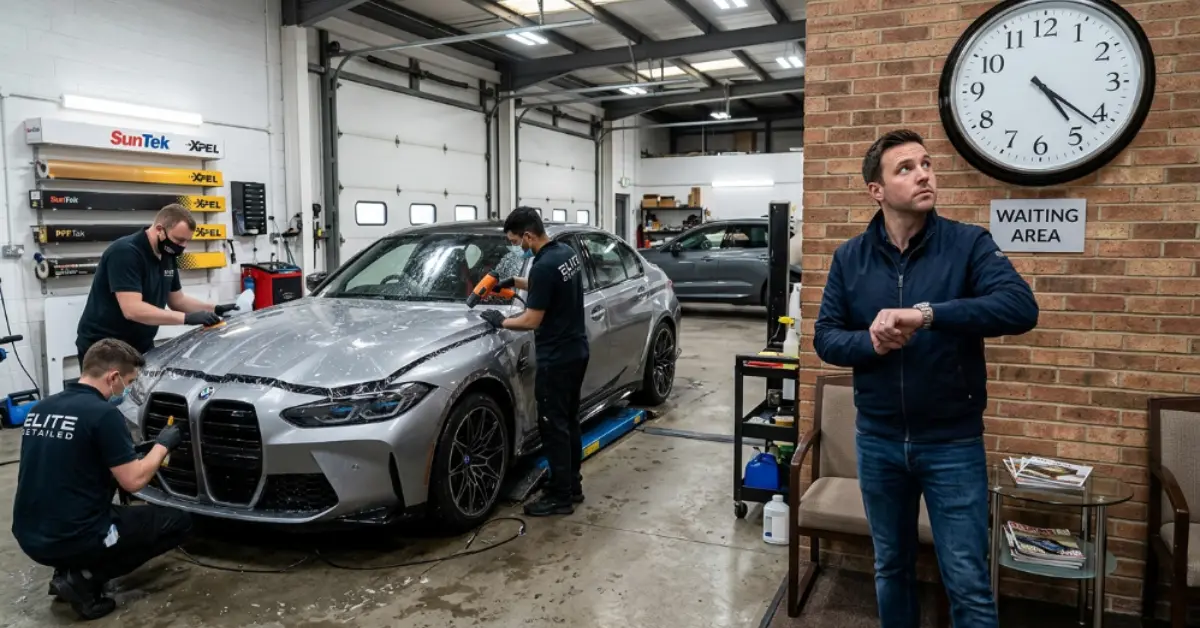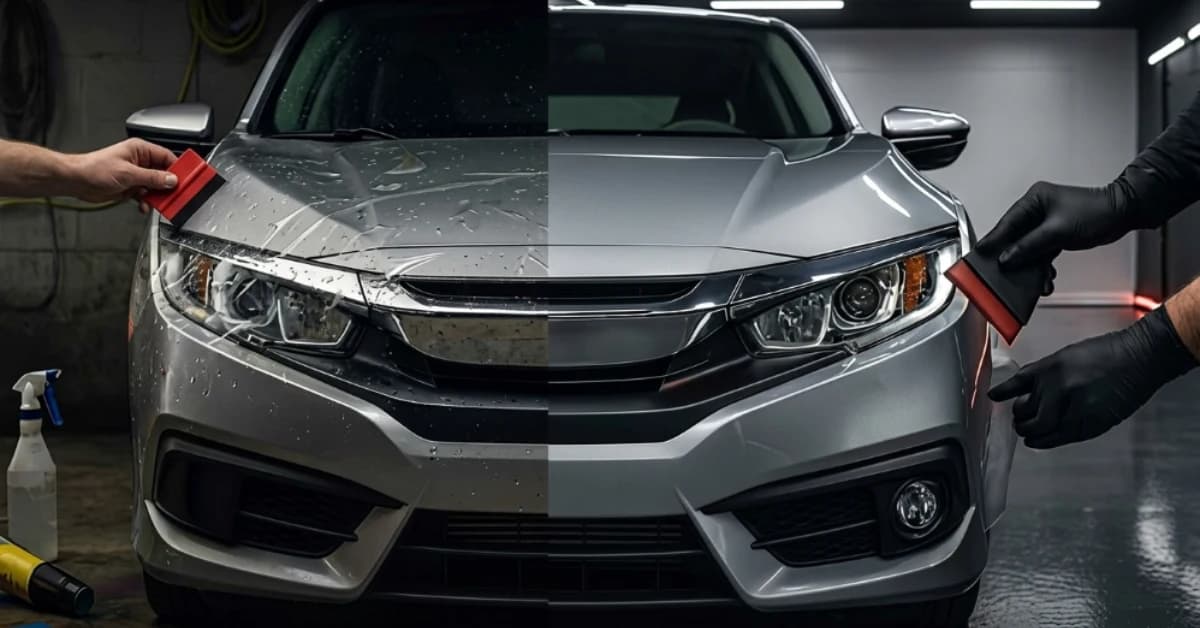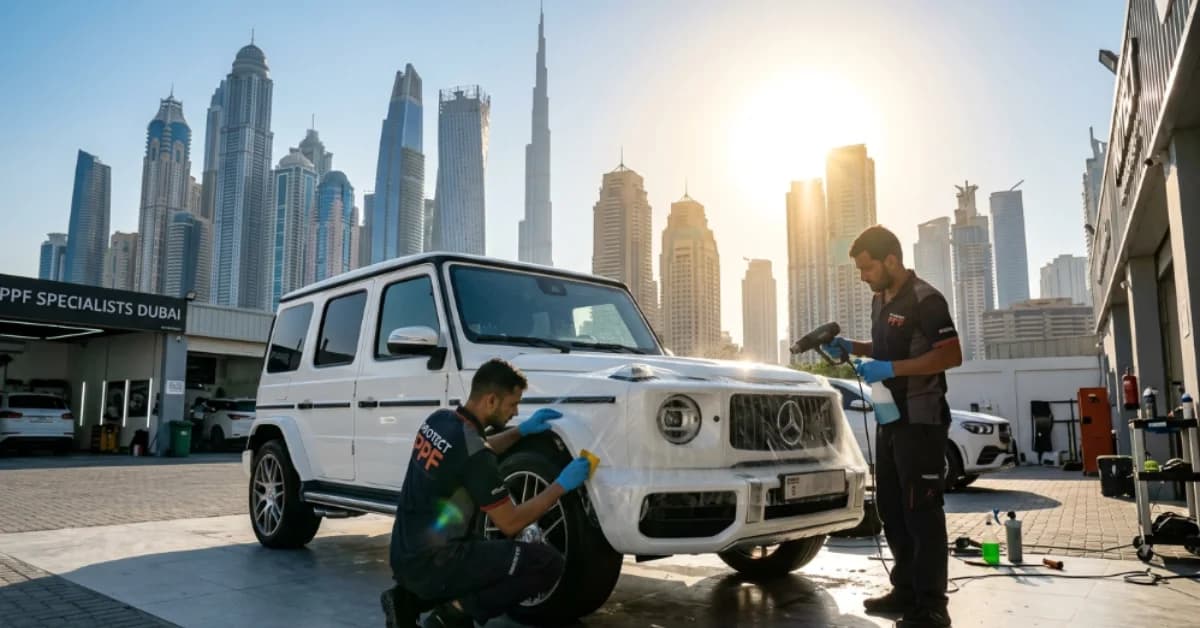
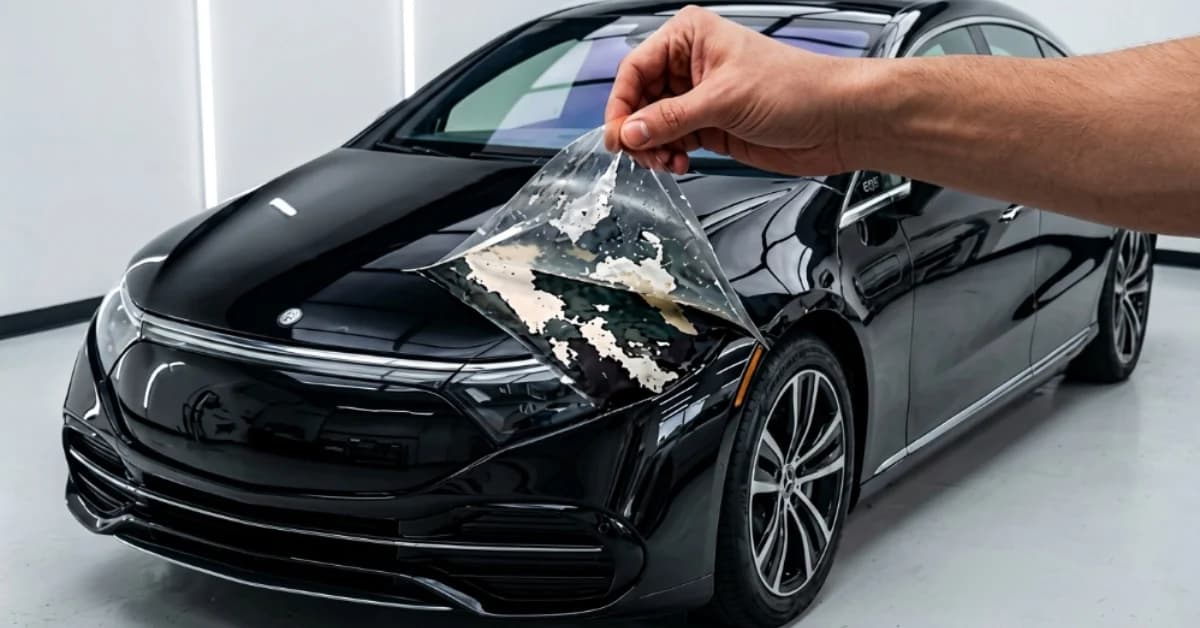
Car owners often choose paint protection film to keep their vehicle safe from scratches, sun damage, and road debris. It is a smart upgrade, but only when it is installed correctly. Poor installation can reduce protection and spoil the look of the car.
Common mistakes in PPF installation can lead to bubbles, peeling edges, and short film life. Most issues happen due to rushed work, poor surface cleaning, or unskilled handling. Even small errors during fitting or curing can affect the final result.
In many cases, these mistakes also increase long-term maintenance costs and reduce the overall value of the protection film.
Most Common PPF Installation Mistakes That Affect Quality
PPF installation mistakes usually come from poor technique, lack of experience, or ignoring proper process steps. Paint protection film needs a clean surface, correct tools, and careful application.
If any step is skipped or done incorrectly, the film may not bond properly. This leads to visible defects and weak protection. Understanding these mistakes helps car owners choose better installers and avoid costly rework.
1. Poor Surface Cleaning Before Installation
One of the biggest mistakes is not cleaning the car properly before applying the film. Dust, oil, tar, and tiny particles can stay on the surface if washing is rushed. These particles stop the film from sticking evenly.
As a result, bubbles or rough spots appear under the film. A proper cleaning process includes deep washing and clay bar treatment. Skipping this step reduces bonding strength and shortens the life of the paint protection film.
2. Ignoring Paint Decontamination Process
Many installers skip decontamination steps like removing iron particles and surface contaminants. These invisible particles may look harmless but affect adhesion. When film is applied over contaminated paint, it creates uneven bonding.
Over time, this leads to lifting edges or small gaps. Decontamination is important because it creates a smooth and pure surface for film installation. Without it, even high-quality film will not perform well or last long on the vehicle surface.
3. Using Low-Quality or Wrong Film
Another common mistake is choosing cheap or unsuitable film material. Low-quality films often lack durability and clarity. They may turn yellow, crack, or peel within a short time. Some films also do not have proper adhesive strength, which causes early failure.
High-quality TPU films are designed for long-term protection and a better finish. Using the wrong film reduces protection level and affects the overall appearance of the car after installation.
4. Incorrect Cutting and Poor Alignment
Wrong cutting or poor alignment is a serious installation issue. If the film is not aligned properly, edges may not match the panel shape. This leads to uneven gaps or visible lines. In some cases, installers cut the film directly on the car without proper care.
This can even damage the paint. Proper alignment requires precision and experience. Pre-cut templates and digital design tools help reduce this mistake and improve installation accuracy.
5. Trapped Air Bubbles and Water Marks
Air bubbles and water marks often appear when the film is not applied correctly. This happens when the squeegee technique is weak or uneven pressure is used. Bubbles trapped under the film reduce clarity and weaken adhesion.
Water marks can also appear if excess solution is not removed properly. These issues make the film look uneven and unprofessional. Proper application technique and patience are needed to achieve a smooth and clean finish.
6. Poor Edge Sealing and Finishing Work
Edge sealing is one of the most important parts of PPF installation. If edges are not sealed properly, dust and moisture can enter under the film. This causes lifting over time. Many mistakes happen when installers rush the finishing stage.
Proper heating and pressure must be applied to secure edges. Good finishing ensures the film stays tight on the surface and lasts longer without peeling or damage.
7. Skipping Proper Curing Time
Curing is the process where the film settles and bonds fully with the paint. Many installers and car owners ignore this step. Moving or washing the car too early can disturb the bonding process.
This leads to weak adhesion and early defects. Proper curing usually takes a few days depending on weather and film type. During this time, the car should stay in a clean, dust-free environment for best results.
8. Installing in Dusty or Uncontrolled Environment
Environment plays a big role in installation quality. If the workshop is dusty or poorly controlled, particles can get trapped under the film. This creates visible spots and reduces clarity. Humidity and temperature changes also affect adhesive performance.
Professional detailing centers use clean rooms with controlled lighting and airflow. Installing PPF in the wrong environment increases the chances of defects and reduces overall durability of the film.
9. Rushing the Installation Process
Speed is one of the biggest causes of mistakes. When installers rush, they skip important steps like proper alignment or bubble removal. This leads to poor finishing and weak bonding. Paint protection film requires patience and attention to detail.
A slow and careful process always gives better results. Rushing may save time in the short term but creates long-term issues that affect both appearance and protection.
How These Mistakes Affect Your Car?
- Edge lifting problem: Poor installation causes film edges to lift over time, allowing dust, water, and debris to enter underneath the surface.
- Bubble formation issue: Trapped air bubbles reduce visual clarity, make the surface uneven, and create an unprofessional look on the vehicle paint protection film.
- Loss of transparency: Incorrect application reduces film clarity, making car paint look dull, hazy, and less glossy than the original factory finish.
- Paint damage risk: Removing badly installed film may pull paint layers, especially if adhesive bonding is uneven or surface preparation was poor.
- Weak UV protection: Installation errors reduce film effectiveness against sunlight, causing faster paint fading and less protection from harmful ultraviolet rays.
- Higher maintenance cost: Poor installation leads to repeated repairs or full replacement, increasing overall ownership cost and wasting time and money.
How to Avoid PPF Installation Problems?
- Choose an experienced installer: Experienced installers reduce mistakes, ensure proper fitting, and deliver a smooth finish using correct tools and professional paint protection techniques consistently.
- Check workshop environment: A clean, controlled workshop environment prevents dust contamination, improves film bonding, and ensures clear installation without bubbles or surface defects.
- Use high-quality TPU film: High-quality TPU film provides better durability, clarity, and heat resistance, ensuring long-lasting protection and a professional finish on vehicle paint surfaces.
- Follow proper cleaning process: Proper cleaning removes dust, tar, and contaminants from the paint surface, ensuring strong adhesion and preventing bubbles during the installation process.
- Do not rush installation: Rushing installation leads to misalignment, trapped air bubbles, and poor finishing, reducing overall quality and long-term paint protection performance durability.
- Allow proper curing time: Curing time allows film to bond properly with paint, improving clarity, strength, and ensuring long-lasting protection and durability results stability.
Conclusion
Paint protection film is a strong layer of defense for your car, but only when installed correctly. Many issues stem from simple mistakes such as poor cleaning, rushed work, or low-quality materials. These problems reduce both appearance and protection.
Common mistakes in PPF installation include surface contamination, incorrect fitting, trapped bubbles, weak edge sealing, and skipping curing time. Avoiding these errors ensures greater durability, a clean finish, and long-term paint integrity. Proper installation always prioritizes accuracy and patience over speed.
For professional and reliable PPF installation service with expert care, Zenfo Auto Services offers trusted services that ensure perfect finishing and long-lasting protection for your vehicle.