Your car is one of the biggest investments you make, and keeping it looking new is not always easy. Road debris, bird droppings, and everyday scratches can quickly damage your vehicle's paint.
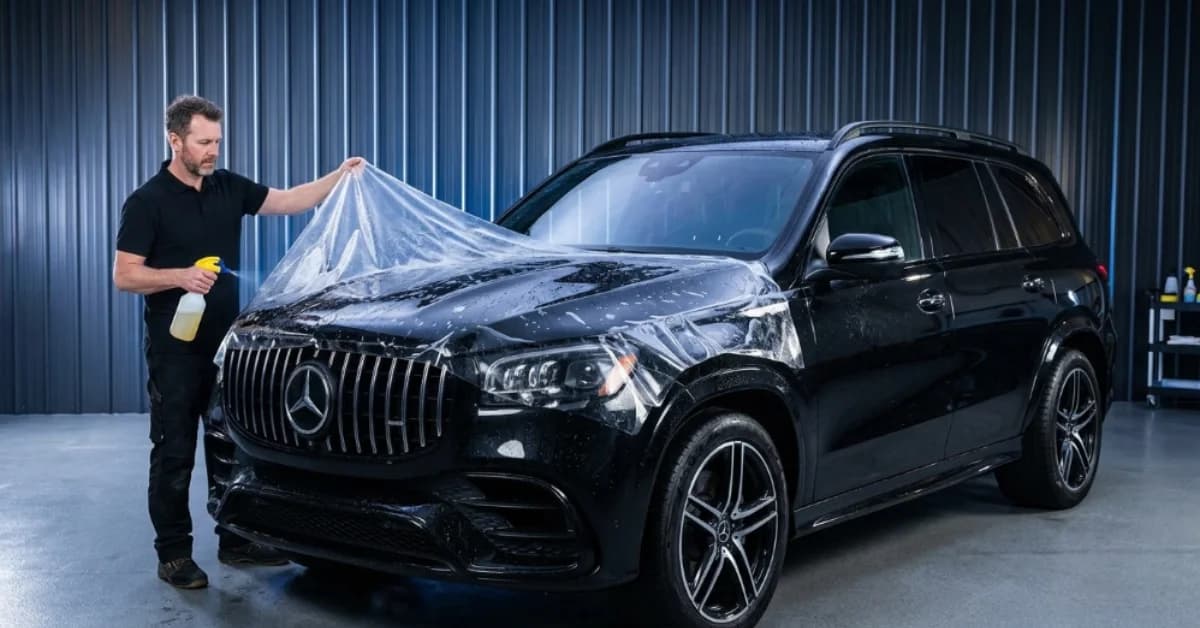
That is why many car owners are now turning to a clear, protective layer that keeps their car safe without changing how it looks. Paint protection film is a thin, transparent sheet applied to the surface of a car to protect it from physical damage. It acts as a shield between your car's paint and the outside world.
This film is strong enough to absorb impact from small stones and gravel. It is also resistant to UV rays, stains, and minor scuffs. If you want to keep your car looking fresh for years, learning about this complete guide to paint protection is a great first step.
What Is Paint Protection Film?
Paint protection film, also called PPF or clear bra, is a urethane-based material that sticks to your car's painted surfaces. It was first developed for military use to protect helicopter blades from damage.
Later, it was introduced to the automotive world. Today, it is widely used on all types of vehicles. The film is nearly invisible once applied, so your car's original color and shine stay fully visible. It comes in different thicknesses, and most quality films have a self-healing top layer that removes light scratches on its own when exposed to heat.
Types of Paint Protection Film
Not all protective films are the same. There are different types available, and each one serves a specific purpose. Choosing the right type depends on your needs, your budget, and the look you want for your car.
Clear PPF
This is the most common type. It is fully transparent and lets your car's original paint color show through without any change. Most car owners choose this option because it is simple, effective, and works well on all vehicle colors. It protects against scratches, stone chips, and stains while keeping your car looking completely stock.
Matte PPF
Matte film gives your car a flat, non-shiny finish. It is a great choice for car owners who want a unique look without wrapping or repainting the vehicle. This type also protects the paint underneath just like clear film does. It is very popular among luxury and sports car owners who want their vehicle to stand out on the road.
Satin PPF
Satin film sits between glossy and matte. It gives the car a smooth, low-shine finish that looks clean and premium. Many car owners prefer this type because it adds a subtle style upgrade while still offering full paint protection. It works well on darker car colors and gives a sleek, modern appearance.
Self-Healing PPF
This is a more advanced option that has a special top coat. When the surface gets a light scratch, it repairs itself using heat from the sun or warm water. This type is highly recommended for daily drivers who want long-term protection with minimal maintenance. It is available in both clear and matte finishes.
How Does Paint Protection Film Work?
Paint protection film works by creating a tough outer layer over your car's paint. The film is made of a special material with elastomeric properties, which means it can stretch and bounce back to its original shape after taking a hit. Here is a simple breakdown of how the protection process works:
- Impact Absorption: When a small stone or piece of road debris hits your car, the film takes the impact, so your original paint stays safe underneath.
- Scratch Resistance: The strong outer layer stops light scratches from reaching the paint surface during daily driving.
- Self-Healing Action: When the film gets a minor scratch, it repairs itself within minutes after being exposed to sunlight or warm water.
- Surface Recovery: After healing, the film returns to its smooth, clean look without any extra care or effort from your side.
- Ongoing Protection: The film continues to shield your car from damage every day without losing its strength over time.
Key Benefits of Using PPF on Your Car
Using a protective film on your vehicle brings several useful advantages.
- Scratch Protection: The film prevents light scratches from reaching your car's paint.
- Stone Chip Defense: It absorbs impact from road debris and gravel that hit your car while driving.
- UV Protection: It blocks harmful sun rays that cause your paint to fade over time.
- Stain Resistance: Bird droppings, tree sap, and bug splatter are easier to clean and do not stain the paint.
- Self-Healing Feature: Minor surface marks disappear on their own with heat.
- Resale Value: A well-protected car holds its value better in the used car market.
Where Can PPF Be Applied on a Vehicle?
PPF can be applied to almost any part of your car's exterior. The most common areas include the front bumper, hood, fenders, side mirrors, door edges, and door handles. These spots take the most damage during daily driving.
Some car owners choose to cover the entire vehicle for total protection, while others opt for partial coverage only on high-risk areas. Both options are valid, depending on your budget and the level of protection you need. A professional installer will help you decide which coverage plan works best for your specific vehicle
What Does PPF Protect Against?
Paint protection film is built to handle a wide range of everyday threats that can damage your car's exterior. From highways to parking lots, your car faces different types of risks every single day. Here is a clear look at what this protective layer defends your car against:
- Stone Chips: Small rocks and gravel thrown up by other vehicles on the road are one of the biggest causes of paint damage. The film absorbs the impact and keeps your paint chip-free.
- Scratches: Light scratches from keys, bushes, or car wash brushes are stopped by the film's tough outer surface before they reach the paint.
- Bird Droppings: Bird waste contains acid that eats into car paint quickly. The film acts as a barrier so the damage does not reach the actual surface.
- Tree Sap: Sap that falls on your car can be very hard to remove and leaves stains. The film makes it easier to clean off without leaving any marks behind.
- UV Rays: Long exposure to sunlight causes paint to fade and lose its shine over time. The film blocks harmful UV rays and keeps your car's color looking bright.
- Bug Splatter: Insects that hit your car at high speed leave acidic residue that can stain paint. The film takes the hit and is easy to clean afterward.
- Light Abrasions: Everyday contact like brushing against a wall or a shopping cart scratch is absorbed by the film without damaging the paint below.
- Water Stains: Hard water leaves mineral deposits on your car's surface. The film resists these deposits and makes washing your car much easier.
How Long Does Paint Protection Film Last?
A quality film can last anywhere from 5 to 10 years, depending on the brand and how well it is maintained. Regular washing and avoiding harsh chemicals will help the film last longer. Some premium brands come with manufacturer warranties that cover yellowing, cracking, and peeling.
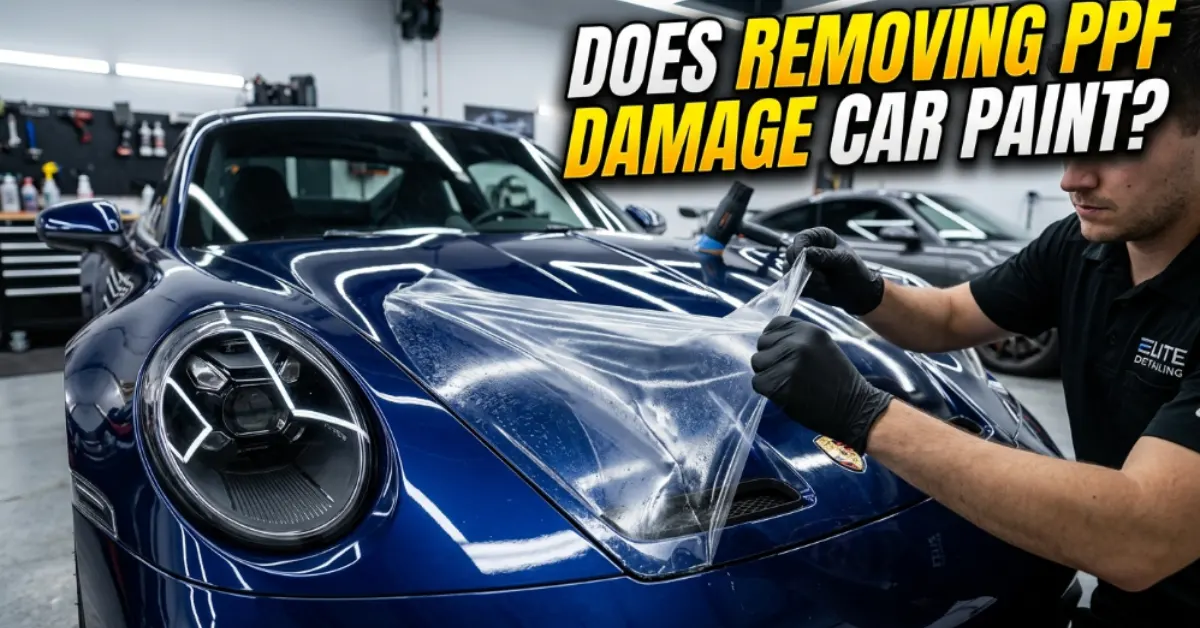
It is important to get the film installed by a trained professional to make sure there are no bubbles or lifting edges. Poor paint protection installation can reduce its lifespan and may even damage the paint underneath when removed.
Conclusion
Taking care of your car's paint is one of the smartest things you can do as a vehicle owner. A protective film keeps your car looking clean, new, and free from damage caused by daily driving conditions. It is a long-term investment that saves you money on paint repairs and touch-ups.
This clear shield also protects against UV damage, stains, and scratches, all at once. Whether you drive daily or own a luxury vehicle, this complete guide to paint protection film shows why it is one of the best ways to keep your car in top condition for years to come.
Want to protect your car the right way? Visit Zenfo Auto Services today and explore our professional paint protection film services. Our trained team will give your vehicle the care and protection it deserves.