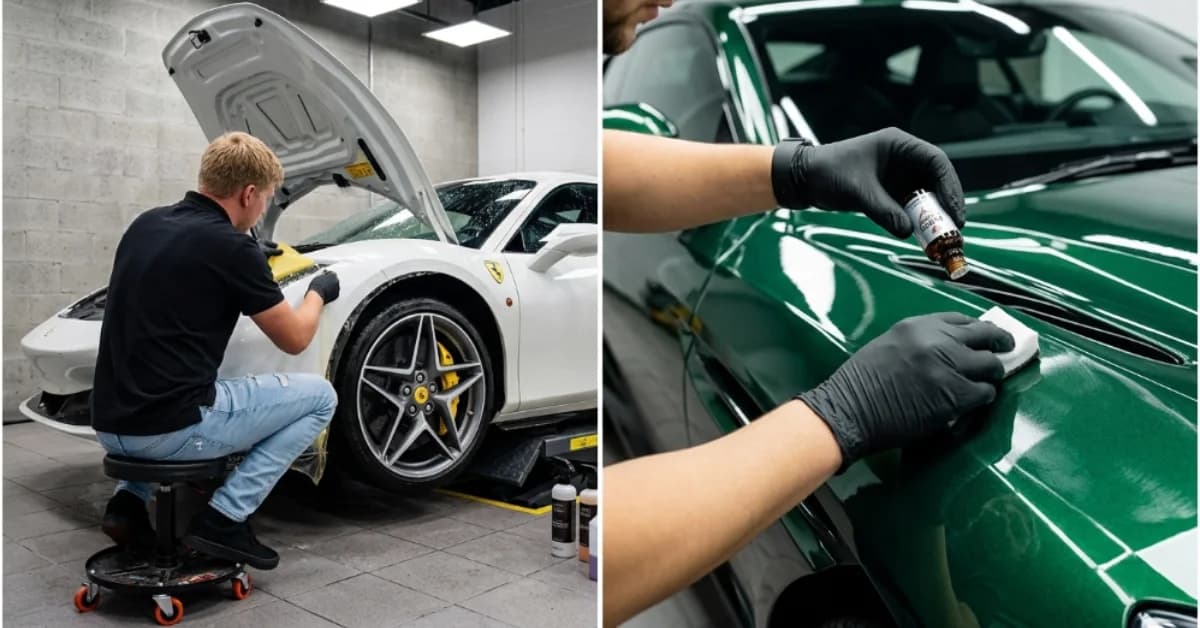
Your car is one of your biggest investments, so protecting it makes sense. Paint Protection Film, or PPF, is one of the best ways to keep your car looking new for years. But when you sit down to compare options, one big question comes up: should you cover the whole car or just some parts?
The cost difference between full-car PPF and partial coverage can be significant, and the right choice depends on your budget, how you drive, and how long you plan to keep the car.
Full coverage protects every painted surface, while partial coverage focuses only on the areas that get hit most often. PPF prices can vary widely, too, with full wraps sometimes costing three to four times as much as a basic front-end package.
What Is PPF and Why Do People Use It?
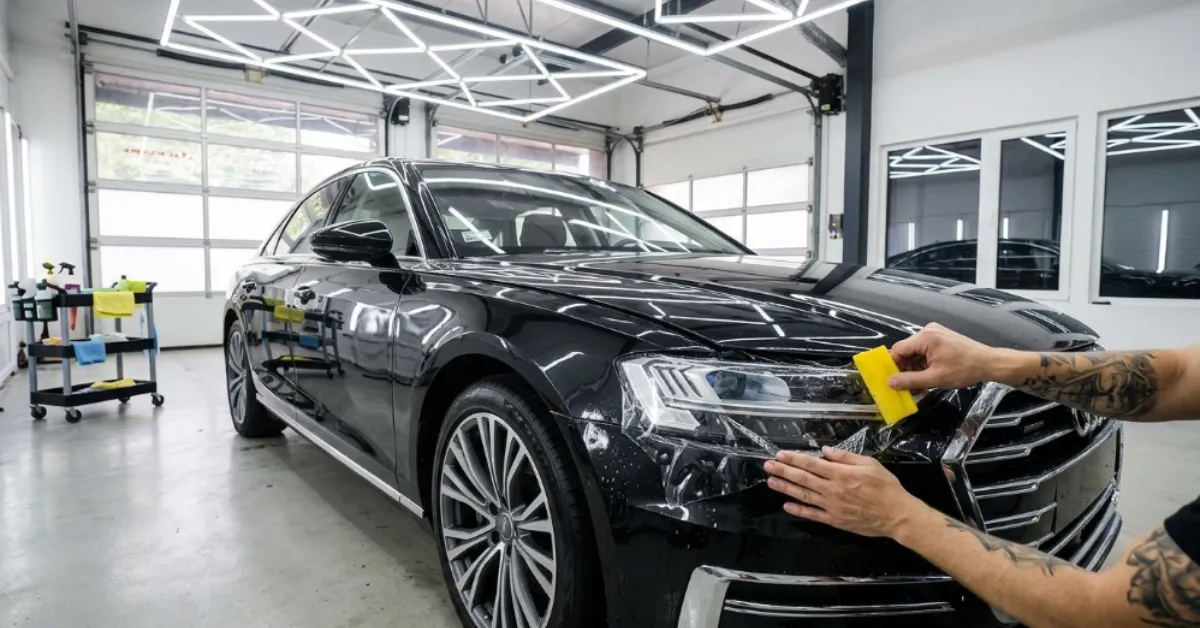
PPF is a thin, clear film that sticks to your car's paint. It acts like a shield against scratches, stone chips, bird droppings, and UV rays. The film is self-healing, which means small scratches disappear on their own with heat.
Most quality PPF products come with a warranty of 5 to 10 years. Car owners in dusty or high-traffic areas find it especially useful. It keeps the resale value of the car higher because the paint stays in better condition over time.
Full Car PPF Price: What to Expect
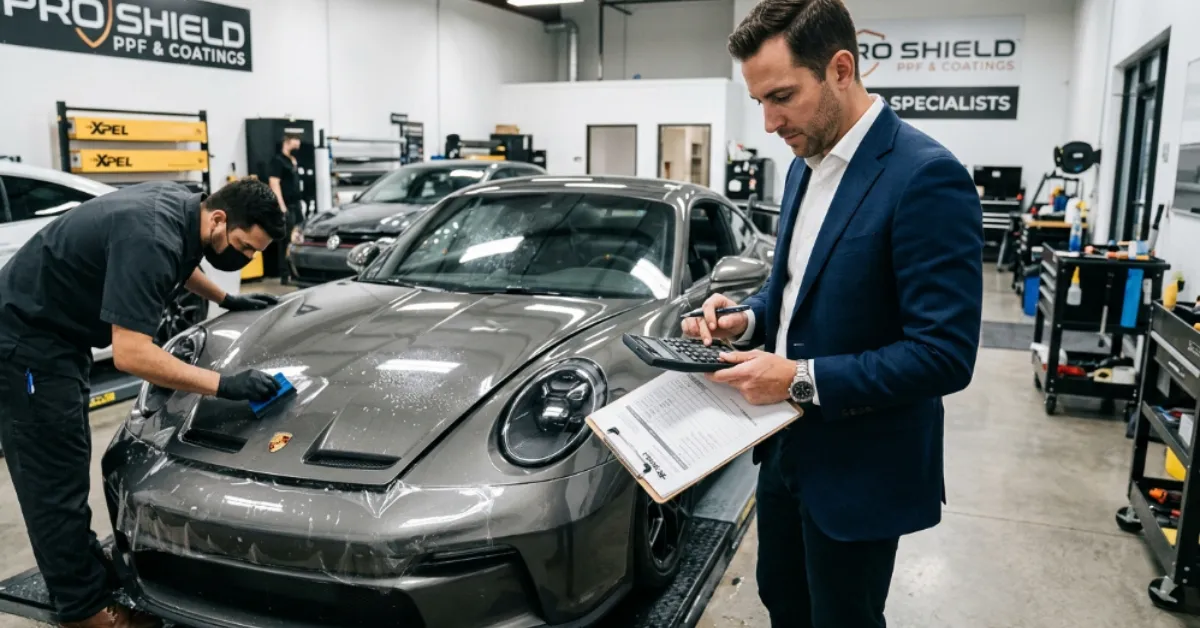
When you go for full car protection, every painted part gets covered. This includes the hood, roof, doors, bumpers, fenders, side mirrors, and pillars. The cost for full car PPF usually falls between AED 8,000 and AED 20,000 or more, depending on the car size and film brand.
Luxury or exotic cars cost more due to complex body shapes. Premium brands like XPEL or 3M sit at the higher end of this range. While the price is high, you get complete peace of mind knowing no panel is left unprotected.
Partial Coverage Cost: A Budget-Friendly Option
Partial coverage means protecting only the most vulnerable areas of your car. The most common choice is the front package, which covers the hood, front bumper, side mirrors, and headlights. This typically costs between AED 1,500 and AED 5,000.
Some people add door edge guards or door cup protectors as small add-ons. If you mostly drive on highways or in areas with gravel and road debris, this option gives you strong protection where it matters most without spending too much.
Full Car PPF vs Partial Coverage: Quick Comparison
Feature | Full Car PPF | Partial Coverage |
Areas Covered | Entire car body | Hood, bumpers, mirrors, etc. |
Average Cost (AED) | AED 8,000 to AED 20,000+ | AED 1,500 to AED 5,000 |
Best For | Long-term owners, luxury cars | Budget buyers, daily drivers |
Protection Level | Complete | High-risk zones only |
Resale Value Benefit | Very High | Moderate |
Installation Time | 2 to 5 days | Half day to 1 day |
Warranty | 5 to 10 years | 5 to 10 years |
Which Parts Need the Most Protection?
Not all parts of a car get damaged at the same rate. The front bumper, hood, and side mirrors take the most hits from road debris. Door edges get scratched in parking lots. Headlights can turn yellow from UV exposure over time.
If you choose partial coverage, focusing on these areas gives you the best return on your money. Many car owners start with a front package and later add more panels. This staged approach helps manage cost without leaving the car fully unprotected.
Factors That Affect the Final Price
Several things change the total cost of PPF installation. Understanding these factors helps you plan your budget better and avoid surprises when you get a quote.
Car Size
Larger vehicles like SUVs, trucks, and vans have more surface area to cover. This means more film is needed and more time is spent on installation. A small sedan will always cost less to protect than a full-size SUV. If you drive a bigger vehicle, expect to pay more for the same level of coverage.
Film Brand
Not all PPF films are made the same. Premium brands like XPEL, 3M, and SunTek cost more upfront but offer better clarity, stronger protection, and longer warranties. Cheaper films may save you money today, but they can yellow, peel, or crack sooner. Choosing a trusted brand is a smart investment for long-term paint protection.
Paint Condition
Before any film goes on, the paint surface must be clean and smooth. If your car has scratches, swirl marks, or oxidation, a paint correction service is needed first. This adds extra time and cost to the job. Skipping this step means the film will lock in existing damage, which is hard to fix later without removing the film.
Installer Skill
A trained and certified installer brings experience that directly affects the final result. Proper installation means no bubbles, no lifting edges, and clean cuts around panels. Certified professionals charge more for their work, but the quality and finish are much better. A poor installation job can waste your money even if you paid for a good film.
Custom Cuts
There are two ways to cut PPF during installation. Pre-cut kits are made using a computer pattern for your specific car model and are quicker to install. Hand-cut jobs take more time but allow the installer to fit the film more precisely around complex body shapes and edges. Pre-cut kits cost less, while hand-cut installations offer a cleaner, more custom finish.
Conclusion
Choosing between full and partial film protection comes down to your priorities. Full coverage offers the best long-term value for those who want to keep their car in showroom condition. Partial protection is a smart, practical pick if you want to guard the most exposed areas without a high upfront cost.
Either way, investing in paint protection is always better than paying for paint repairs later. If you are weighing the real difference between full car PPF pricing and partial coverage costs for your specific car, the team at Zenfo Auto Services can help you pick the right package.
Contact Zenfo Auto Services today for expert advice and professional PPF installation that fits your budget and your car.