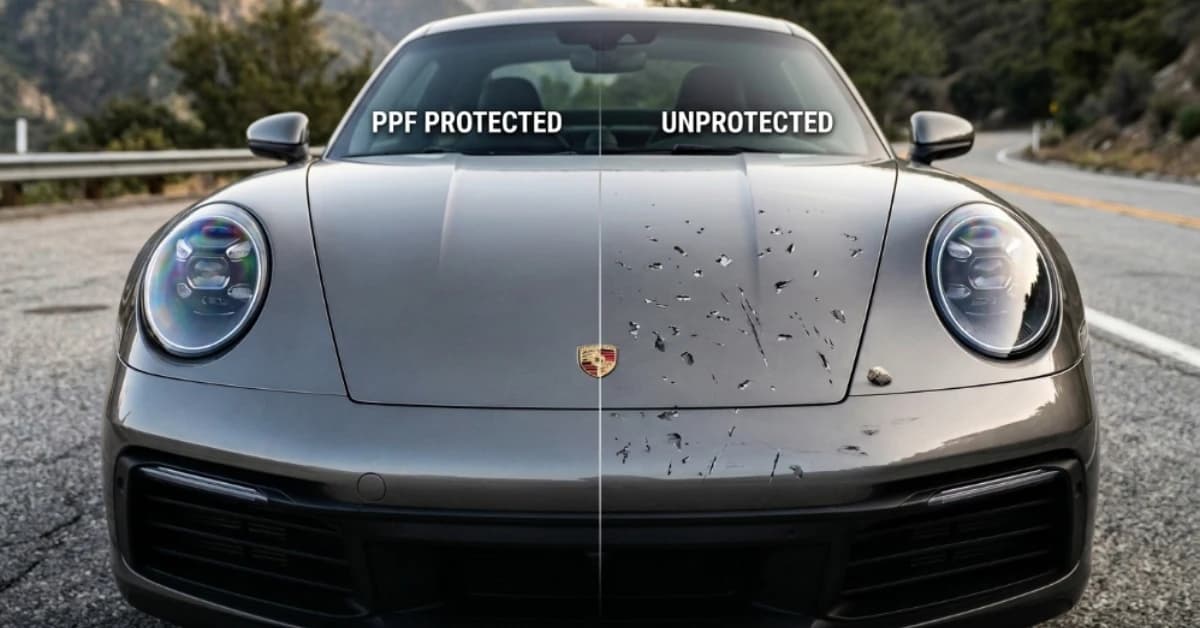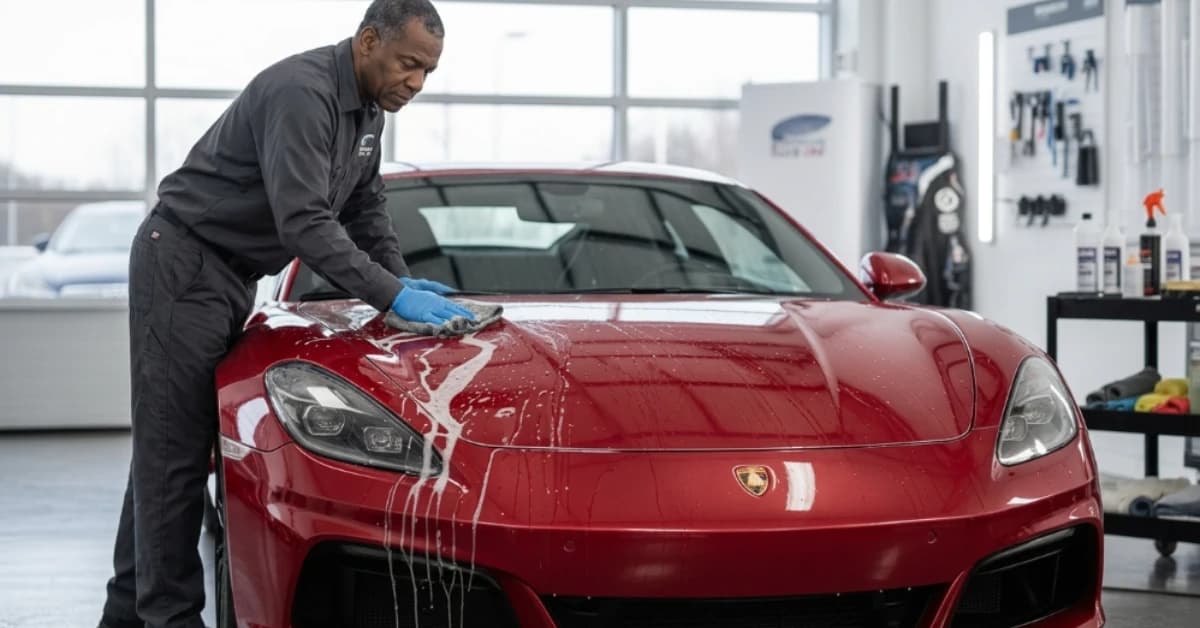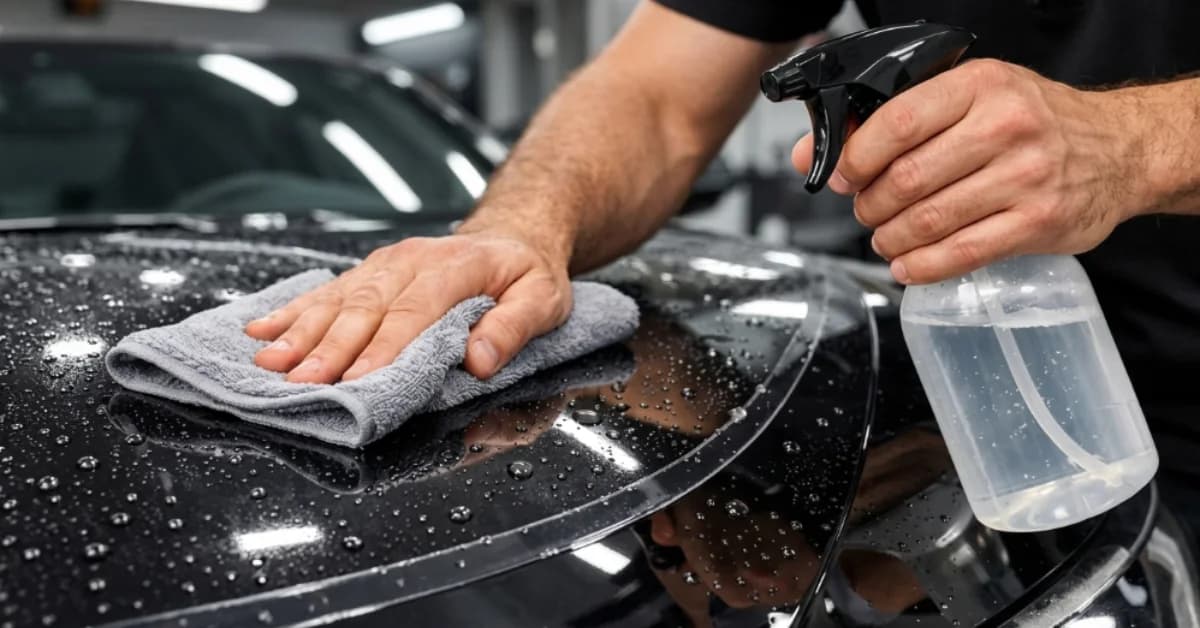
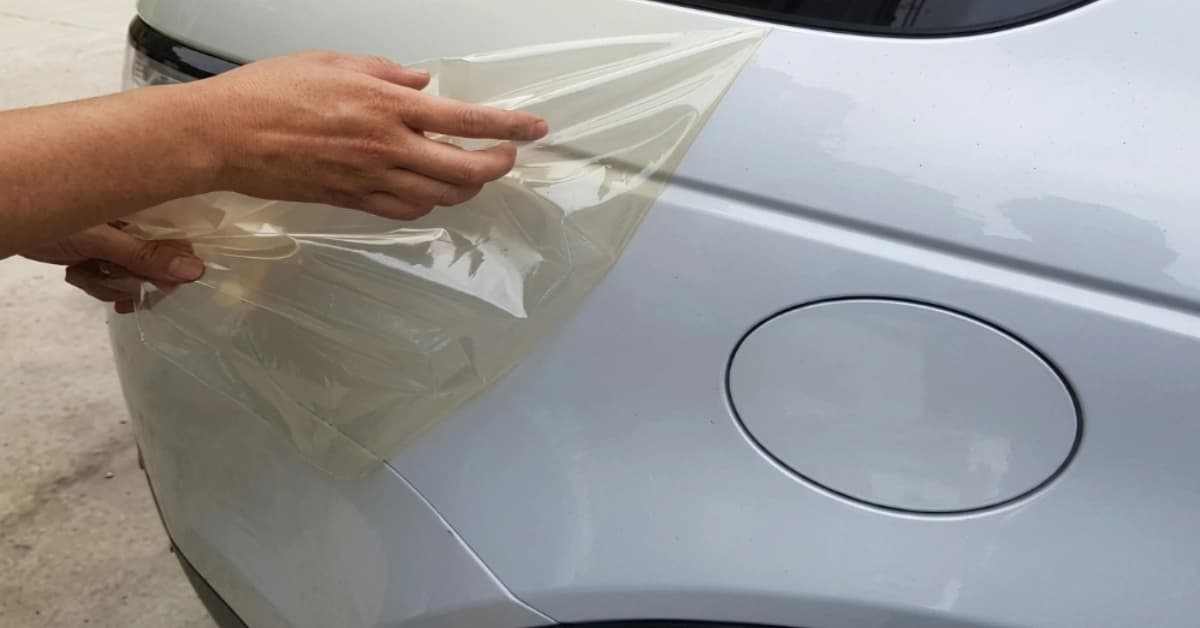
The strong UAE sun can be tough on every part of a vehicle, including its paint protection. Many car owners worry that Paint Protection Film will lose its clear finish after a few years of driving in extreme heat.
The good news is that high-quality Paint Protection Film (PPF) does not turn yellow over time when it is made from premium materials and installed correctly. Modern Aliphatic TPU films are designed to resist UV rays, heat, and oxidation, helping them stay clear for many years.
Lower-quality films made from cheaper materials, however, can yellow much faster in the UAE's harsh climate. Choosing a trusted installer and a premium film is the best way to keep your vehicle looking new.
Why Do Some PPF Films Turn Yellow?
Not all paint protection films are manufactured using the same materials. The quality of the film plays the biggest role in how it performs over time. Premium films use advanced polymers that remain clear even after years of sunlight exposure.
Budget films often use lower-grade materials that break down much faster. Once the protective layer begins to degrade, discoloration becomes visible across the surface. This is why choosing the right product is just as important as proper installation.
How the UAE Climate Affects Paint Protection Film?
The UAE is one of the toughest places in the world for maintaining a vehicle's exterior. High temperatures, strong UV radiation, desert sand, humidity, and airborne pollutants constantly test automotive paint and protective films.
These conditions can quickly expose the weaknesses of low-quality materials. Premium Paint Protection Film is specifically designed to perform well in these harsh environments, helping vehicles maintain their appearance and long-term protection.
1. Extreme Heat Speeds Up Material Aging
Summer temperatures in many parts of the UAE regularly exceed 45°C, and the surface of a parked vehicle can become even hotter. Constant exposure to high temperatures causes low-quality films to age much faster.
Over time, this can lead to discoloration, reduced flexibility, and adhesive failure. Premium Aliphatic TPU films are engineered to remain stable under extreme heat, allowing them to maintain their clarity and protective performance for many years.
2. Strong UV Rays Can Cause Yellowing
The UAE experiences very high UV levels throughout the year, especially during summer. Continuous ultraviolet exposure breaks down poor-quality film materials through a process called oxidation.
As oxidation increases, cheaper films begin to yellow and lose their transparent finish. High-quality protective films contain built-in UV stabilizers that slow this process, helping the film remain clear while also protecting the original vehicle paint from fading.
3. Desert Sand Creates Constant Surface Wear
Fine desert sand is present on roads throughout the UAE and becomes even more aggressive during sandstorms. At highway speeds, these tiny particles strike the vehicle like fine sandpaper.
Repeated exposure can leave small marks on unprotected paint and lower-quality films. Premium Paint Protection Film absorbs much of this impact, helping reduce surface damage while maintaining a smooth and glossy finish.
4. Dust and Pollution Affect Film Appearance
Daily driving exposes vehicles to road dust, industrial pollution, and airborne contaminants that settle on the surface. If left uncleaned, these particles can build up and reduce the film's shine.
Lower-grade films may also absorb contaminants more easily because of their less protective surface layer. Premium films feature advanced topcoats that resist staining and make dirt easier to remove during regular washing.
5. Humidity Can Weaken Poor-Quality Adhesives
Although the UAE is known for its dry climate, coastal cities also experience periods of high humidity. Heat combined with moisture can accelerate the breakdown of low-quality adhesives used in budget protective films.
As the adhesive deteriorates, it may begin to discolor, creating the appearance of yellowing beneath the film. Premium films use high-quality adhesive systems that remain stable in both hot and humid conditions, ensuring strong bonding and long-lasting clarity.
Why Does Cheap PPF Turn Yellow Faster?
Budget-friendly paint protection films may seem attractive because of their lower price, but they often cost more in the long run. These films usually contain materials that are less resistant to ultraviolet radiation and oxidation.
Once exposed to the UAE's intense sunlight, the film begins to change color, reducing both appearance and protection. Many low-cost products also use adhesives that deteriorate more quickly under extreme heat.
Common Reasons Budget Films Yellow
Several factors contribute to yellowing in lower-quality films.
- Aromatic TPU or TPH materials absorb UV radiation more easily.
- Oxidation changes the chemical structure of the film.
- Low-quality adhesives discolor under constant heat.
- Poor manufacturing standards reduce long-term durability.
- Limited UV protection allows faster material breakdown.
- Thin protective layers wear out more quickly.
Why Premium PPF Stays Crystal Clear?
High-end paint protection films are built with advanced technology that keeps them clear for many years. Instead of using basic materials, leading manufacturers use Aliphatic Thermoplastic Polyurethane (Aliphatic TPU).
This material naturally resists ultraviolet damage and chemical oxidation. The result is a transparent film that maintains its original appearance even under extreme weather conditions.
Premium films also include protective topcoats that help reduce staining, fading, and contamination caused by everyday driving.
Benefits of Aliphatic TPU
Aliphatic TPU offers several advantages over standard film materials.
- Excellent UV resistance.
- Better oxidation resistance.
- Long-lasting optical clarity.
- Improved flexibility.
- Superior impact protection.
- Better heat resistance.
- Longer service life.
- Reduced risk of discoloration.
Built-in UV Protection Makes a Big Difference
Premium automotive films include UV inhibitors during manufacturing. These special additives absorb or block harmful ultraviolet rays before they can damage the film itself. Instead of allowing sunlight to break down the material, the inhibitors slow the aging process.
This technology helps the film remain transparent for 5 to 10 years, depending on driving conditions and maintenance. It also protects the vehicle's original paint from fading caused by continuous sun exposure.
s. While the film is designed to bond securely, early washing may interfere with that process.
Even gentle washing can place unnecessary stress on the edges during the curing stage. Waiting a few extra days is much easier than dealing with repairs or reinstallation later.
Possible Problems
- Edges may begin to lift before the adhesive fully bonds.
- Water may enter around unfinished edges.
- Soap residue can collect under loose corners.
- The adhesive may take longer to cure properly.
- The overall finish may not look as smooth as intended.
Can Dirt Make PPF Look Yellow?
Sometimes a vehicle owner believes the film has turned yellow when the problem is actually surface contamination.
This is often called pseudo-yellowing. Fine desert sand, road pollution, bird droppings, mineral deposits, and harsh cleaning chemicals can stain the outer layer of lower-quality films. Instead of true discoloration, the film simply appears dull or dirty.
Regular washing with proper products usually restores the appearance if permanent damage has not occurred.
Common Causes of Surface Staining
The following contaminants can affect the appearance of protective film.
- Desert dust and sand.
- Bird droppings.
- Tree sap.
- Hard water spots.
- Road tar.
- Air pollution.
- Harsh alkaline detergents.
- Industrial fallout.
How Proper Maintenance Keeps PPF Clear?
Even premium protective films benefit from regular care. Washing the vehicle removes contaminants before they have time to bond with the surface. Gentle cleaning methods also prevent unnecessary scratches that reduce the film's shine.
Harsh chemicals and aggressive brushes should always be avoided because they can damage the protective topcoat. Following the manufacturer's maintenance recommendations helps maximize both appearance and durability throughout the film's lifespan.
Keeping your protective film in excellent condition is simple.
- Wash regularly using pH-neutral car shampoo.
- Use microfiber wash mitts and drying towels.
- Remove bird droppings quickly.
- Avoid automatic brush car washes.
- Rinse off desert dust frequently.
- Schedule professional inspections when needed.
Does Ceramic Coating Help Prevent Yellowing?
Many vehicle owners choose to apply ceramic coating over PPF for extra protection. Ceramic coating does not stop yellowing by itself, but it helps keep the surface cleaner. Its hydrophobic properties make water, dirt, dust, and road grime slide off more easily.
This reduces staining and makes regular washing faster. In the UAE, ceramic coating also helps reduce the buildup of fine desert dust that can dull the appearance of the protective film over time.
What Warranty Should You Look For?
A strong manufacturer-backed warranty often reflects the quality of the product. Reputable brands usually provide warranties of up to 10 years that specifically cover yellowing, cracking, peeling, and other manufacturing defects.
Always confirm that the warranty comes directly from the film manufacturer instead of only the installer. Genuine warranties provide greater confidence that the product has been tested under demanding environmental conditions similar to those found in the UAE.
Premium Vs Cheap PPF: A Quick Comparison
Let’s get into the brief comparison between cheap and premium PPF:
Feature | Premium PPF | Budget PPF |
Material | Aliphatic TPU | TPH or Aromatic TPU |
UV Resistance | Excellent | Limited |
Yellowing Resistance | Excellent | Poor |
Heat Resistance | High | Moderate |
Optical Clarity | Long-lasting | May fade quickly |
Warranty | Up to 10 years | Limited or none |
How to Choose the Right PPF in the UAE?
Selecting the right film is more important than choosing the lowest price. Always ask what material the installer uses and whether it comes from a trusted global manufacturer.
Premium Aliphatic TPU films may cost more initially, but they provide better long-term value by staying clear, resisting damage, and protecting your vehicle's paint. Professional installation is equally important because even the best film performs poorly if it is not applied correctly.
Conclusion
Protecting your vehicle from the UAE's harsh climate starts with choosing the right paint protection solution. High temperatures, strong UV rays, dust, and sand can quickly expose the weaknesses of low-quality automotive films.
No, high-quality Paint Protection Film does not normally turn yellow over time. Premium Aliphatic TPU films are designed to resist UV radiation, oxidation, and extreme heat while maintaining excellent clarity for many years.
Yellowing is usually seen in lower-grade films made with cheaper materials or poor-quality adhesives. Investing in premium film, proper installation, and regular maintenance helps your vehicle maintain its showroom appearance for years.
If you want long-lasting paint protection that stays clear in the UAE's demanding climate, Zenfo Auto Services offers professional PPF installation using premium Aliphatic TPU films.
Our experienced technicians use high-quality materials that resist yellowing, scratches, stone chips, UV damage, and desert sand, helping your vehicle maintain its original finish for years to come.