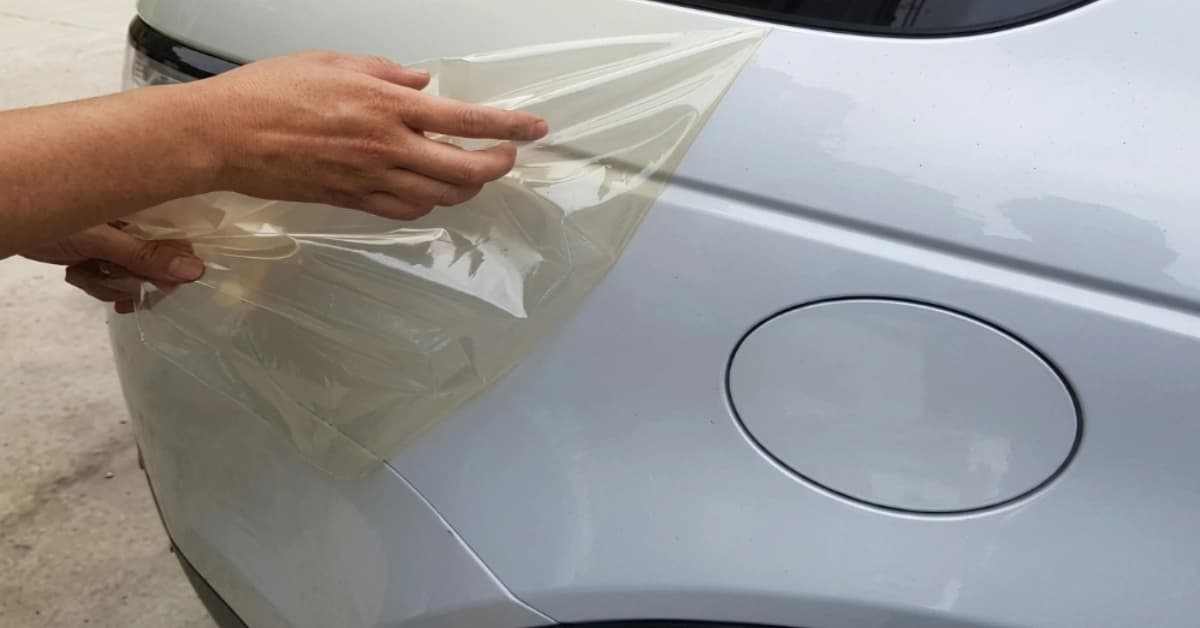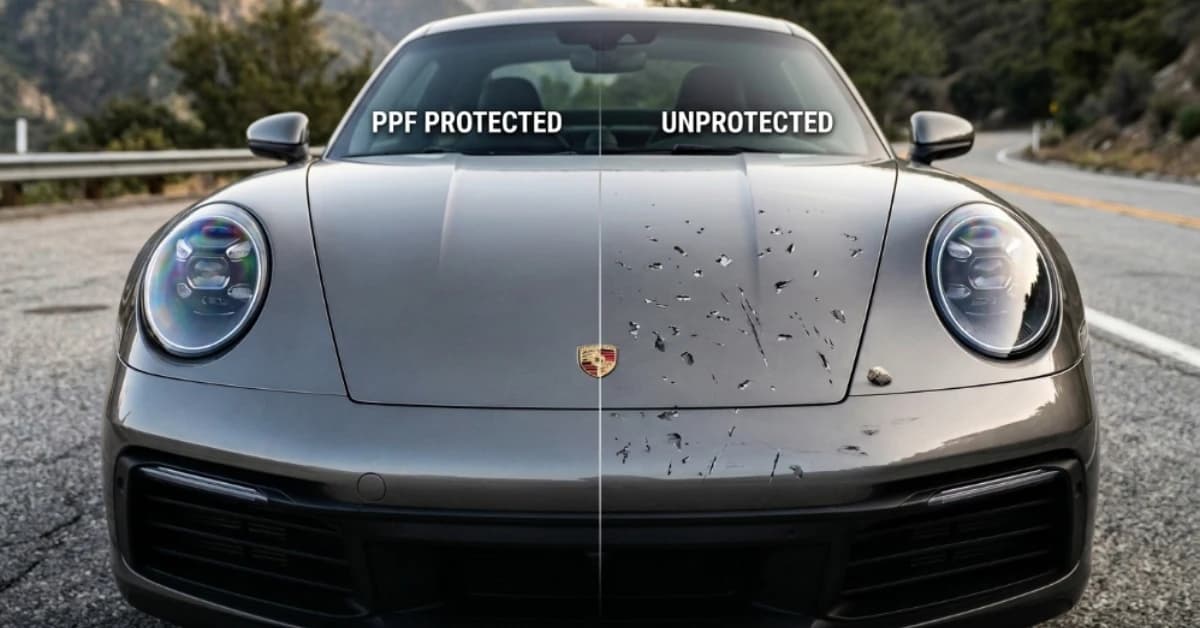
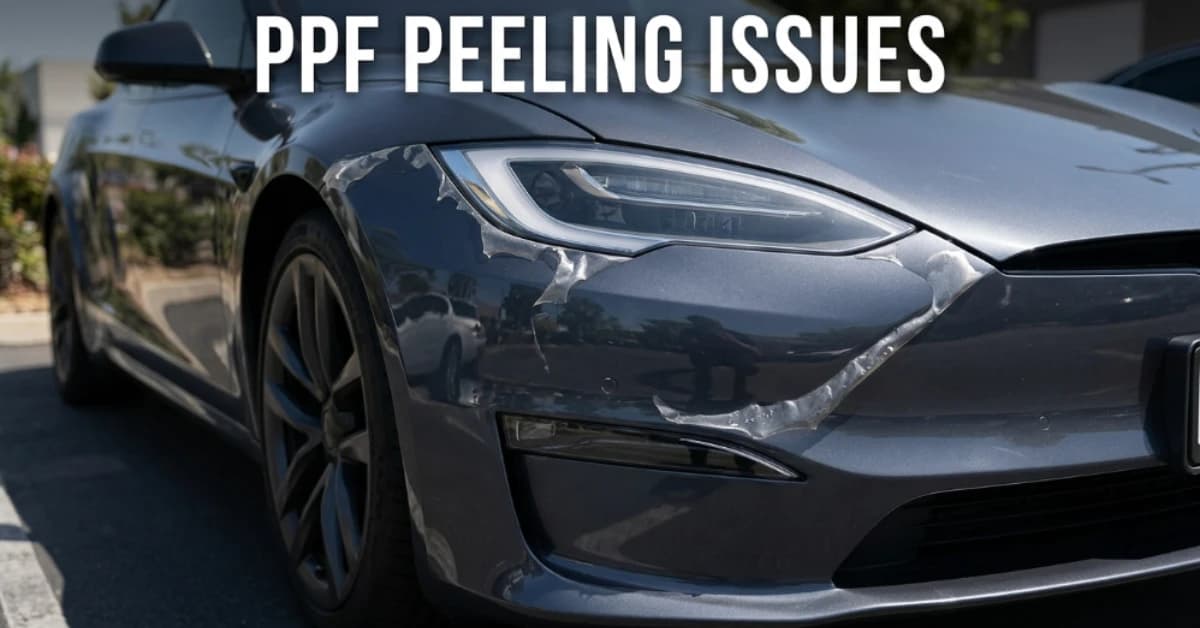
A perfectly maintained car can still face problems when the protective film starts lifting from the surface. Paint Protection Film helps protect your vehicle’s paint from scratches, stone chips, and daily road damage, but it can lose its effectiveness when the film starts lifting or peeling.
In the UAE, extreme heat, strong UV exposure, sand, and improper washing methods are common reasons behind film damage. Peeling usually occurs because of weak adhesive bonding, poor installation, low-quality film, or water pressure entering through the edges.
Small lifted areas can often be repaired by cleaning and reactivating the adhesive, while severe damage may require replacing the affected section. Proper installation, regular checks, and correct maintenance can help your Paint Protection Film last longer and continue protecting your vehicle.
Why Does Paint Protection Film Start Peeling?
Paint Protection Film uses a strong adhesive layer to bond with the vehicle’s painted surface. When installed correctly, premium films can protect the paint for many years while maintaining a smooth and clear appearance.
However, the adhesive does not work independently. It is affected by temperature changes, moisture, cleaning methods, and the quality of installation. When the bond between the film and paint becomes weak, the edges may lift, bubbles may appear, and dirt can enter underneath.
Once contamination reaches below the film, the damaged area becomes harder to repair. Early inspection is important because small problems can usually be fixed before they spread.
Common Causes of PPF Peeling in the UAE
Extreme Heat and UV Exposure
The UAE climate creates challenging conditions for vehicle protection products. During summer, car surfaces exposed to direct sunlight can become extremely hot, putting stress on the film and adhesive.
Continuous heat and strong ultraviolet (UV) rays can slowly reduce adhesive strength, especially when lower-quality films are used. Premium thermoplastic polyurethane (TPU) films are designed to handle temperature changes better and maintain flexibility.
Cheaper materials may become harder, lose elasticity, and develop cracks over time. Parking under direct sunlight every day can speed up this process, making regular inspection and proper care necessary.
Poor Quality PPF Material
The quality of the film plays a major role in its durability. Not all Paint Protection Films are manufactured with the same technology. Some low-grade films use weaker adhesive systems that may fail faster under UAE weather conditions.
High-quality TPU films usually offer better UV resistance, improved flexibility, and self-healing properties. The top protective layer can repair minor swirl marks when exposed to heat, helping maintain the original appearance.
Choosing a reliable film from a trusted supplier reduces the chances of early peeling and ensures better long-term protection.
Incorrect Installation and Poor Edge Wrapping
Professional installation is one of the most important factors affecting PPF performance. Before applying the film, the vehicle surface must be cleaned properly to remove dust, oil, wax, and other contaminants.
Poor edge wrapping is another common reason for peeling. If the installer cuts the film too close to the panel edge or does not secure the corners correctly, those areas remain exposed and can start lifting.
Proper installation includes accurate measurements, controlled stretching, clean preparation, and careful sealing of edges to create a stronger bond.
Improper Car Washing Techniques
Many PPF peeling problems happen during washing. High-pressure water can damage the film when it is directed too closely at the edges or panel gaps. Water pressure can enter small openings and weaken the adhesive underneath.
Some automatic and manual car washes also use harsh brushes or strong cleaning chemicals that can affect the film surface.
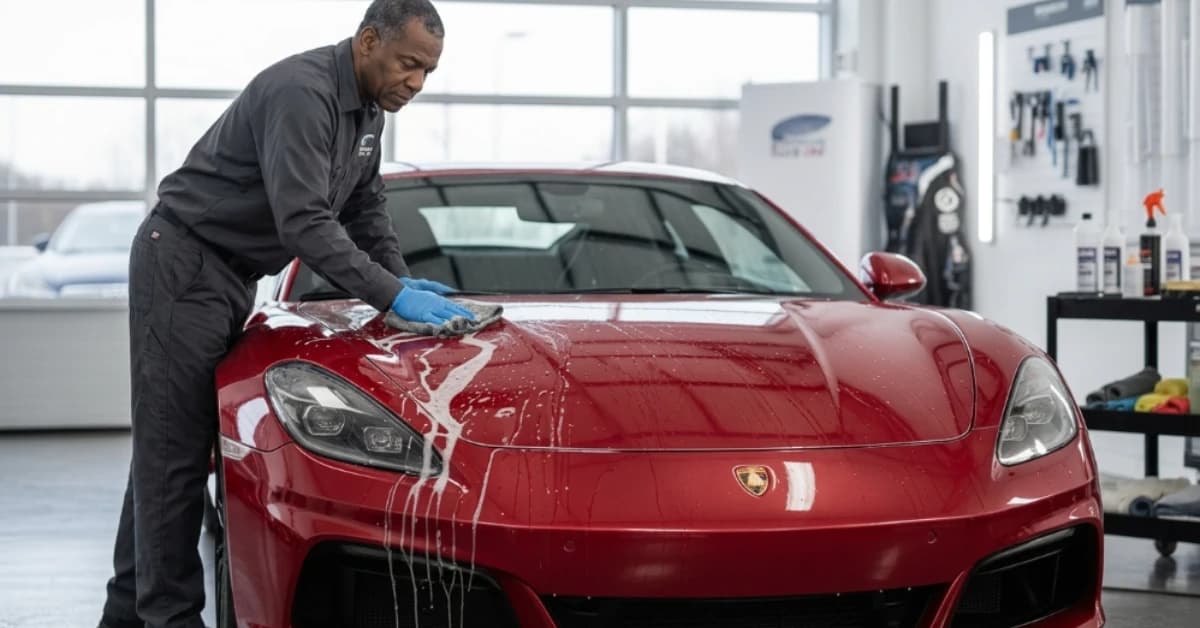
Using a soft microfiber cloth, pH-neutral shampoo, and safe washing techniques helps maintain the film’s condition. Professional car washers should always avoid spraying directly at PPF borders.
Sand and Road Debris Damage
Driving conditions in the UAE expose vehicles to fine desert sand and road dust. While PPF provides excellent protection against stone chips and scratches, continuous sand impact can affect exposed edges over time.
High-speed driving on highways can push sand particles against the vehicle surface. If a small gap already exists due to weak adhesion, sand can enter underneath the film and increase peeling.
Regular inspection of front bumpers, mirrors, door edges, and other high-impact areas helps identify early damage.
Signs Your Paint Protection Film Is Peeling
Recognizing early signs can prevent expensive repairs. Many owners notice peeling only after the damaged area becomes large, but small warning signs appear much earlier.
Common signs include:
- Lifted edges: Corners or borders start separating from the paint.
- Air bubbles: Small pockets appear under the film.
- Visible dirt underneath: Dust or sand becomes trapped below the surface.
- Film wrinkles: The material loses its smooth finish.
- Cloudy appearance: Moisture or adhesive problems affect clarity.
- Loose sections: Larger areas begin moving away from the body panel.
If these signs appear, professional inspection should be done quickly to prevent further damage.
How to Fix Peeling Paint Protection Film?
The repair method depends on the size of the damaged area and the condition of the adhesive.
1. Fixing Minor Edge Lifting
Small areas of peeling can often be repaired without replacing the complete film section. A technician first cleans the lifted area to remove dust, grease, and other contamination.
After cleaning, heat may be applied carefully to soften the adhesive and improve bonding. A special tack solution may also be used to help secure the film.
If the lifted edge has stretched or lost its adhesive strength, the damaged portion may need precise trimming to create a cleaner finish. Early repair is usually easier and more affordable because the damage has not spread.
2. Fixing Major Peeling and Adhesive Failure
When dirt, sand, or water enters underneath the film, the adhesive bond is usually damaged permanently. In such cases, simple reattachment may not provide a long-lasting result.
The damaged section must be removed carefully using controlled heat or steam. After removal, the paint surface is cleaned and prepared before applying a new PPF panel.
Professional technicians ensure the replacement section matches the existing film and maintains the vehicle’s appearance.
PPF Repair vs Replacement: Which Option Is Better?
Problem | Recommended Solution |
Small lifted corner | Professional edge repair |
Minor adhesive weakness | Heat treatment and re-tacking |
Dirt trapped under film | Replace affected section |
Large peeling area | Panel replacement |
Yellow or damaged film | Install new film |
Cracked or old PPF | Complete replacement |
The condition of the adhesive and the amount of contamination determine whether repair is possible. A professional inspection helps avoid unnecessary replacement costs.
How to Prevent PPF Peeling in the UAE?
Proper care can significantly increase the lifespan of Paint Protection Film. Simple maintenance habits protect the adhesive and keep the film looking clear.
1. Choose High-Quality TPU Film
Selecting a premium TPU-based film is one of the best ways to prevent peeling. TPU films are flexible, durable, and designed to handle heat, UV exposure, and daily driving conditions.
They also provide better resistance against scratches and environmental damage compared to lower-quality materials. A good film combined with expert installation creates a stronger protective layer for your vehicle.
2. Follow Safe Washing Practices
Correct washing methods help maintain the adhesive bond. Avoid directing strong water pressure toward film edges and panel gaps.
Recommended practices include:
- Use a soft microfiber wash cloth.
- Avoid harsh chemicals.
- Do not use abrasive brushes.
- Keep pressure washers at a safe distance.
- Dry the vehicle properly after washing.
These simple steps reduce stress on the film and prevent early lifting.
3. Protect Your Vehicle from Direct Sunlight
Parking habits can affect the lifespan of your PPF. Whenever possible, use covered parking areas, shaded spaces, or indoor garages.
Reducing direct UV exposure helps protect both the paint and adhesive layer. Although premium films are built for harsh climates, limiting unnecessary heat exposure improves their long-term performance.
4. Apply a PPF-Safe Ceramic Coating
A ceramic coating designed for Paint Protection Film can provide additional protection. It creates a hydrophobic surface that helps repel water, dust, and contaminants.
While ceramic coating does not repair peeling or prevent adhesive failure caused by poor installation, it makes cleaning easier and helps keep the film surface protected. It should always be applied after proper PPF installation and curing.
How Long Does PPF Last in the UAE?
The lifespan of Paint Protection Film depends on the film quality, installation method, driving conditions, and maintenance routine. Premium TPU films can generally last several years when properly maintained.
Vehicles exposed daily to intense sunlight, highway driving, sand, and outdoor parking may experience faster wear. Regular inspections allow owners to identify small issues before they become major problems.
A well-installed film with proper care can continue protecting the vehicle while maintaining a clean and glossy appearance.
Why Professional PPF Installation Matters?
PPF installation process requires skill, experience, and the right working environment. Even the highest-quality film can fail if it is installed incorrectly.
Professional installers understand surface preparation, film stretching, adhesive behavior, curing time, and edge protection. They use proper tools and techniques to reduce bubbles, wrinkles, and lifting problems.
Investing in professional installation helps avoid frequent repairs and ensures the film provides maximum protection in UAE conditions.
Conclusion
Peeling Paint Protection Film is commonly caused by factors such as extreme heat, strong UV exposure, poor installation, low-quality materials, incorrect washing methods, and sand buildup around the edges.
Identifying these problems early helps vehicle owners take the right action before the damage spreads. Small lifting areas may be repaired, while larger sections with adhesive failure usually need replacement.
Choosing quality film, professional installation, and proper maintenance practices can improve durability and keep your vehicle protected for years in UAE conditions.
For professional PPF inspection, repair, and PPF installation services in the UAE, contact Zenfo Auto Services. Our experienced team can help restore your vehicle’s protection and maintain its premium appearance.