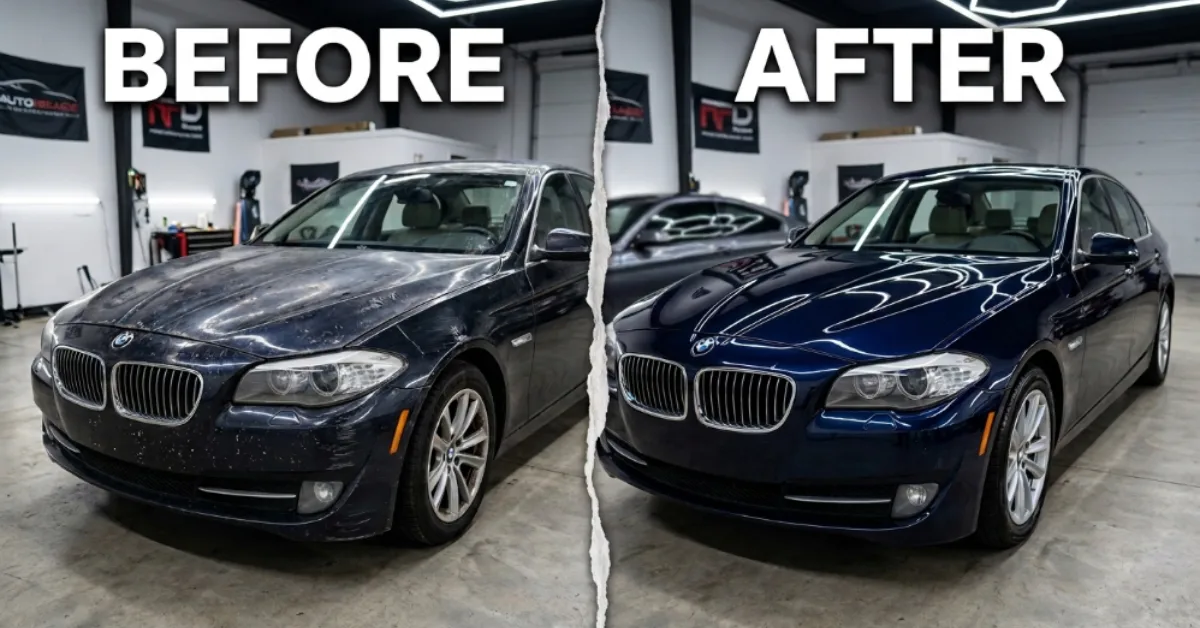
Paint Protection Film (PPF) is one of the best ways to protect your car’s paint from scratches, stone chips, road debris, and harmful UV rays. However, even the best film needs proper care to stay clear, glossy, and effective for many years.
The most important rule is to wash your vehicle regularly using pH-neutral car shampoo and soft microfiber cloths. Avoid harsh chemicals, abrasive brushes, automatic car washes with stiff bristles, and pressure washing too close to the film.
Remove bird droppings, tree sap, and bug splatter quickly because they can damage the surface if left for too long. Regular inspection, careful drying, and professional maintenance will also help keep the film in excellent condition. Follow these tips to get the longest life and best appearance from your paint protection film.
Importance of PPF Maintenance
Paint Protection Film acts as a clear barrier between your vehicle’s paint and outside damage. It absorbs small impacts from road debris while protecting against UV exposure, dirt, and environmental contaminants.
Although modern films are highly durable, they are not maintenance-free. Dust, chemicals, road salt, and pollution slowly affect the top protective layer if the film is ignored.
Proper maintenance helps preserve gloss, prevents staining, supports the self-healing properties of premium films, and extends the lifespan of the PPF installation. Good care also keeps your vehicle looking newer and helps maintain its resale value.
How Does Paint Protection Film Work?
Before learning the maintenance rules, it helps to understand how the film protects your vehicle.
- Made from Thermoplastic Polyurethane (TPU): Modern paint protection films are manufactured using TPU, a flexible and impact-resistant material that also resists yellowing over time.
- Self-Healing Surface: Many premium films feature a self-healing top coat that can remove light swirl marks and fine scratches when exposed to heat from sunlight or warm water.
- Strong Adhesive Layer: The adhesive bonds securely to your vehicle’s paint without causing damage when the film is professionally installed and removed correctly.
- Protective Barrier: The film acts as a shield against stone chips, road debris, minor scratches, UV rays, and everyday environmental contaminants.
- Requires Proper Care: Regular cleaning with safe products helps maintain the film’s clarity, gloss, and long-term protective performance.
PPF Maintenance Do's and Don'ts Table
Do’s | Don’ts |
Wash the vehicle regularly using pH-neutral shampoo. | Use harsh chemical cleaners or strong solvents. |
Dry the surface with clean microfiber towels. | Use rough brushes or dirty cloths. |
Remove bird droppings and tree sap quickly. | Leave contaminants on the film for several days. |
Inspect the film every few weeks. | Ignore peeling edges or lifting corners. |
Park in shaded areas whenever possible. | Leave the vehicle under direct sunlight for long periods every day. |
Use approved detailing sprays for protection. | Apply unapproved waxes or abrasive polishing compounds. |
Keep a safe distance while pressure washing. | Spray high-pressure water directly at film edges. |
Choose professional maintenance when needed. | Attempt major repairs yourself. |
Do's of Maintaining Paint Protection Film
1. Wash Your Vehicle Regularly
Regular washing prevents dirt, dust, and road grime from building up on the protective surface. It is best to wash your vehicle every one to two weeks, depending on driving conditions. Use clean water, a pH-balanced automotive shampoo, and a soft microfiber wash mitt.
Gentle washing helps maintain clarity and prevents contaminants from sticking to the film. Always rinse thoroughly before touching the surface to reduce the chance of scratching. Consistent cleaning also allows the self-healing top coat to perform better over time.
2. Use the Right Cleaning Products
Not every car cleaning product is suitable for paint protection film. Always choose cleaners that are safe for PPF and free from strong solvents or abrasive ingredients. A pH-neutral shampoo removes dirt without affecting the protective coating.
Soft microfiber towels are ideal for washing and drying because they reduce friction and minimize swirl marks. Using approved products helps maintain gloss, prevents surface damage, and supports the long-term durability of the film without affecting its adhesive layer.
3. Remove Contaminants Quickly
Bird droppings, bug remains, tree sap, fuel spills, and road tar should never stay on the film for long periods. These contaminants contain chemicals that may stain the protective surface if left untreated.
Clean them as soon as possible using warm water and a safe detailing spray designed for automotive finishes. Avoid scraping hardened material with sharp tools. Quick cleaning reduces the risk of permanent marks while keeping the protective layer smooth and clear.
4. Dry the Vehicle Properly
Leaving water to dry naturally often creates water spots caused by minerals found in tap water. These marks become more difficult to remove if they remain on the surface for a long time.
Use a clean microfiber drying towel or filtered air blower after every wash. Gentle drying prevents unnecessary rubbing while protecting the film from fine scratches.
Proper drying also improves the vehicle’s shine and helps maintain a clean finish after every wash.
5. Inspect the Film Regularly
Take a few minutes every month to inspect the protective film carefully. Look for lifting edges, air pockets, deep cuts, stains, or areas where dirt may collect. Early inspection helps identify small problems before they become larger repairs.
If you notice any lifting or damage, contact a professional installer instead of trying to fix it yourself. Routine inspection helps extend the service life of the protective layer and keeps your vehicle looking well-maintained.
Don'ts of Maintaining Paint Protection Film
Do Not Wash the Vehicle Immediately After Installation
Freshly installed paint protection film needs time for the adhesive to cure properly. Most installers recommend waiting at least seven days before the first wash, although the exact curing time may vary depending on weather conditions and the film manufacturer.
Washing too early may affect adhesion around edges and corners. During this period, avoid pressure washing and unnecessary touching so the film can bond completely with the painted surface.
Avoid Harsh Chemicals
Strong solvents, bleach, petroleum-based cleaners, and highly acidic products can weaken the protective top layer of the film. These chemicals may reduce gloss, cause discoloration, or shorten the lifespan of the material.
Always read product labels before use and choose cleaners that specifically mention compatibility with paint protection film. Using the correct cleaning products is one of the easiest ways to protect your investment for many years.
Stay Away from Automatic Brush Car Washes
Many automatic car washes use stiff rotating brushes that trap dirt and create scratches on both paint and protective film. These brushes may also catch film edges and increase the risk of peeling.
Touchless car washes are generally safer, but gentle hand washing remains the best option. Hand washing provides better control, uses softer materials, and reduces unnecessary wear on the protective surface.
Do Not Pressure Wash Too Close
Pressure washers are useful when used correctly, but excessive pressure or incorrect distance can damage the film. Never point high-pressure water directly at seams or edges because it may lift the adhesive.
Keep the spray nozzle at least 12 to 18 inches away from the surface and use moderate pressure. Moving the spray continuously instead of concentrating on one spot helps protect the installation.
Avoid Abrasive Polishing Compounds
Traditional cutting compounds and abrasive polishes are designed to remove a thin layer of paint. Since paint protection film has its own protective top coat, aggressive polishing can reduce its effectiveness.
If light marks appear, allow the self-healing layer to recover naturally with sunlight or warm water when applicable. For more serious damage, consult a professional detailer instead of using heavy polishing products.
Seasonal Tips for Better PPF Care
Different weather conditions affect paint protection film in different ways. Following seasonal maintenance practices helps keep the film clean, clear, and effective throughout the year.
- Summer: Wash the vehicle more often to remove insect remains, bird droppings, tree sap, and dust, as high temperatures can make these contaminants stick to the film more quickly.
- Winter: Clean off road salt, mud, and dirt as soon as possible to prevent buildup that may affect the film’s appearance over time.
- Rainy Season: Remove mineral deposits and dirty rainwater promptly to reduce the risk of water spots and stains.
- Hot Weather: Park in shaded areas or use a car cover whenever possible to reduce heat exposure and help preserve the film’s finish.
- Year-Round Care: Inspect and clean the film regularly so it continues to provide reliable protection in every season.
Common Mistakes That Reduce PPF Lifespan
Avoiding a few common mistakes of PPF installation can help your paint protection film last longer and continue protecting your vehicle effectively.
- Using Household Cleaners: Household cleaning products may contain harsh chemicals that can damage the film’s protective surface.
- Washing with Rough Sponges or Brushes: Abrasive cleaning tools can leave fine scratches and reduce the film’s clarity.
- Ignoring Lifting Edges: Small lifted corners or edges should be inspected and repaired early to prevent further peeling.
- Leaving Contaminants for Too Long: Bird droppings, tree sap, bug splatter, and road tar should be removed quickly to avoid stains.
- Using Unapproved Ceramic Coatings: Not all ceramic coatings are compatible with every type of paint protection film, so always use products recommended by the film manufacturer.
- Skipping Regular Maintenance: Infrequent washing and inspections allow dirt and contaminants to build up, reducing the film’s performance and appearance.
Professional Maintenance vs DIY Care
Factor | DIY Care | Professional Maintenance |
Routine Cleaning | Wash the vehicle at home using pH-neutral shampoo, clean water, and microfiber towels. | Uses professional washing methods, specialized products, and safe equipment for a deeper clean. |
Contaminant Removal | Suitable for removing light dirt, dust, and fresh bird droppings or bug splatter. | Safely removes stubborn tree sap, road tar, water spots, iron particles, and other bonded contaminants. |
Film Inspection | You can check for visible dirt, stains, or lifting edges during regular cleaning. | Technicians perform a detailed inspection to identify peeling, adhesive issues, scratches, or hidden damage. |
Repair Capability | Limited to basic cleaning and care. DIY repairs may damage the film if done incorrectly. | Professionals can repair or replace damaged sections while maintaining proper alignment and adhesion. |
Products Used | Uses consumer-grade cleaners and detailing sprays approved for paint protection film. | Uses professional-grade PPF-safe cleaners, decontamination products, and specialized maintenance solutions. |
Equipment | Basic car wash tools such as buckets, microfiber mitts, drying towels, and spray bottles. | Advanced detailing tools, steam cleaners, decontamination equipment, and controlled washing techniques. |
Risk of Damage | Higher risk if harsh chemicals, rough sponges, or incorrect washing methods are used. | Lower risk because trained technicians follow manufacturer-recommended procedures. |
Cost | More affordable for regular maintenance and weekly cleaning. | Costs more but provides expert care and helps prevent expensive repairs later. |
Best For | Weekly washing and basic maintenance to keep the film clean. | Annual inspections, deep cleaning, stain removal, and maintaining the film’s long-term performance. |
Regular home care is important for keeping your paint protection film clean, but professional maintenance provides a deeper level of care that helps preserve its clarity, durability, and protective performance. Combining both approaches is the best way to maximize the lifespan of your PPF.
How Long Can Well-Maintained PPF Last?
High-quality paint protection film typically lasts between 5 and 10 years, depending on the manufacturer, driving conditions, weather, and maintenance routine. Vehicles exposed to intense sunlight, sand, or frequent highway driving may require more attention.
Regular washing, safe drying methods, proper storage, and quick contaminant removal all contribute to longer service life. Good maintenance not only protects the film itself but also preserves the original paint underneath, helping the vehicle maintain its value over time.
Conclusion
Taking care of paint protection film is simple when you follow the right habits. Wash your vehicle with safe cleaning products, remove contaminants quickly, dry it properly, inspect the film regularly, and choose professional help whenever repairs are needed.
At the same time, avoid harsh chemicals, automatic brush washes, aggressive polishing, and high-pressure washing near the film edges. Following these simple maintenance practices will help your vehicle stay protected, glossy, and easier to clean for many years.
If you want professional Paint Protection Film installation or expert maintenance, 800Sayara is ready to help. Our experienced technicians use high-quality materials and proven installation methods to protect your vehicle while keeping it looking its best for years to come.